Popular Tours






Imagine walking through a living museum where the air is thick with the scent of incense and the warm glow of silk lanterns lights your path. Hoi An Ancient Town is a place where centuries of history are etched into mossy tiled roofs and yellow heritage walls. In this article, we will explore the secrets of this UNESCO World Heritage site and help you plan an unforgettable journey into the past.
Overview of Hoi An Ancient Town
Situated on the banks of the Thu Bon River, Hoi An Ancient Town is an exceptionally well-preserved example of a Southeast Asian trading port dating from the 15th to the 19th century. Its buildings and its street plan reflect the influences, both indigenous and foreign, that have combined to produce this unique heritage site.

The town was once known as Faifo and served as a crucial hub for the spice trade. Merchants from Japan, China, Portugal, and the Netherlands converged here to exchange silk, ceramics, and spices. This convergence created a melting pot of cultures that is still visible in the architecture today.
As you wander the narrow pedestrian streets, you will notice a distinct fusion of styles. Vietnamese tube houses stand alongside Chinese assembly halls and the iconic Japanese Covered Bridge. It is a harmonious blend that has survived wars and modernization to remain a pristine time capsule.
Unlike the frenetic energy of Ho Chi Minh City or Hanoi, the vibe here is slow and contemplative. The town is pedestrian-friendly for most of the day, allowing you to soak in the atmosphere without the constant roar of motorbikes. It is a place to get lost in, to sip coffee by the river, and to watch the world go by.
>>> Ready to watch Hoi An glow at sunset? Join the Sunset Hoi An River Cruise today.
Travel Time and Distance: Getting from Da Nang to Hoi An
For most international travelers, the journey to the ancient port begins in the neighboring city of Da Nang. Understanding the geography is the first step to a stress-free trip. The distance between Da Nang International Airport and Hoi An Ancient Town is approximately 30 kilometers (about 18.6 miles).

The commute typically takes between 45 to 60 minutes by car, depending on the traffic and your chosen route. The coastal road is particularly scenic, passing by the Marble Mountains and luxury golf resorts. It offers a glimpse of the modern development of Central Vietnam before you arrive at the heritage site.
If you are staying in Hue, the journey is significantly longer. It involves crossing the Hai Van Pass and takes about 3 hours by car. Therefore, most cultural seekers choose to base themselves in Hoi An or Da Nang to maximize their exploration time.
>>> View more: Hoi An Ancient Town Map: Complete Walking Map & Attractions Guide
How to Get to Hoi An Ancient Town: Airport Transfer, Bus, or Taxi?
Reaching the town is straightforward, with options ranging from budget-friendly public transport to luxurious private transfers. Choosing the right mode of transport depends on your budget and your desire for comfort.
Private Airport Transfer
For the most seamless experience, booking a private car is highly recommended. This service ensures a driver is waiting for you at the arrival hall with your name on a sign. It eliminates the stress of negotiating with taxi drivers after a long flight.

The cost for a private 4-seater car from Da Nang to Hoi An is approximately $12 to $15 USD. This is often cheaper than a metered taxi and provides a higher level of comfort and cleanliness. Companies like Hoi An Unique Travel can arrange this for you in advance, ensuring a smooth start to your vacation.
Public Bus
For the adventurous traveler on a strict budget, the yellow public bus #1 is a viable option. It runs from Da Nang city center to the Hoi An bus station. The ticket price is incredibly low, costing less than $1 USD per person.

However, be aware that the bus does not allow bulky luggage and can be quite crowded with locals. The bus station in Hoi An is located about 1.5 kilometers from the pedestrian zone, so you will need to walk or take a taxi for the final leg of the journey.
Metered Taxi or Ride-Hailing Apps
Taxis are plentiful at Da Nang Airport and throughout the city. Mai Linh and Vinasun are reputable companies with meters that you can trust. A standard taxi ride will cost between $15 and $20 USD depending on the exact location of your hotel.

Ride-hailing apps like Grab are also widely available and offer transparent pricing. This is a convenient option if you have a local sim card and data connection. Just be mindful that during peak hours or bad weather, finding a driver might take a bit longer.


Hoi An Ancient Town Map and Opening Hours
Navigating the heritage zone requires a bit of local knowledge regarding tickets and timing. While the streets are open 24/7, the heritage sites and the pedestrian-only policy have specific operating hours.
A Hoi An Ancient Town map is essential for planning your walking route. The core area is compact, centered around Tran Phu, Nguyen Thai Hoc, and Bach Dang streets. Key landmarks like the Japanese Bridge and the Central Market serve as excellent orientation points.
2026 Visitor Information
| Category | Details |
| Old Town Ticket Price (International) | 120,000 VND (Approx. $4.80 USD) |
| Old Town Ticket Price (Domestic) | 80,000 VND (Approx. $3.20 USD) |
| Pedestrian Hours (Motorbike Free) | 9:00 AM – 11:00 AM and 3:00 PM – 9:30 PM |
| Heritage Site Opening Hours | Daily from 8:00 AM to 5:00 PM |
| Night Market Hours | Daily from 5:00 PM to 10:00 PM |
Using a guide from Hoi An Unique Travel ensures you maximize these hours. We can help you structure your day to visit the temples when they are quietest and hit the streets when the lanterns are glowing brightest.
Ready to see a different side of Hoi An? Join the Unique Hoi An Rural & Urban Life Tour today.
Best Time to Visit Hoi An Ancient Town (And When to Avoid)
Timing your visit is crucial for the best experience. The climate here is divided into two distinct seasons:
- The Dry Season (February to August): This is the ideal time to visit. The weather is warm, the skies are clear, and the ocean is calm. February to April is particularly pleasant before the peak summer heat arrives.
- The Full Moon Lantern Festival: If possible, time your visit for the 14th day of the lunar month. The town turns off all its electric lights, relying entirely on the magical glow of colorful lanterns, creating an unforgettable, romantic atmosphere.
- The Rainy Season (October to December): Proceed with caution. This period brings heavy monsoons, and Hoi An is highly susceptible to flooding. During severe floods, the waters of the Thu Bon River can rise directly into the streets of the Old Town, forcing businesses to close and locals to travel by boat.
>>> View more: Hoi An Lantern Festival 2026: Dates, Times & Best Viewing Spots
Best Things to Do in Hoi An Ancient Town
The magic of Hoi An lies not in a single attraction but in the collective atmosphere of its streets. However, there are specific experiences that define the essence of this destination.
Step Back in Time on a Hoi An Ancient Town Walking Tour
The best way to absorb the Hoi An Ancient Town history is on foot. A guided Hoi An Ancient Town walking tour allows you to look beyond the souvenir shops and see the architectural brilliance of the past. You should begin your walk at the Japanese Covered Bridge, the symbol of the town.

From there, visit the Phuc Kien Assembly Hall. This structure was built by Chinese merchants from Fujian province and is dedicated to the sea goddess Thien Hau. The intricate dragon sculptures and the spirals of incense hanging from the ceiling create a mystical ambiance.
Next, step into Tan Ky Old House. This private residence has been preserved by seven generations of the same family. It showcases a unique blend of Japanese, Chinese, and Vietnamese architectural styles.
Notice the pulley system in the ceiling used to move furniture during floods. Listen to the family members tell stories of the trading days when the river was right at their doorstep. These intimate details bring the history books to life.
>>> Go beyond the Old Town – Discover authentic local life with the Local Tour Hoi An.
Witness the Lantern Magic of Hoi An Ancient Town at Night
As the sun sets, the yellow walls fade into the darkness, and thousands of silk lanterns flicker to life. Seeing Hoi An Ancient Town at night is a sensory feast that borders on the magical. The town transforms into a carnival of light and color.
Head to the banks of the Hoai River. Here, you can partake in the tradition of releasing a paper lotus lantern onto the water. Each lantern carries a wish for luck and happiness.

The sight of hundreds of floating candles drifting downstream is incredibly romantic. You can also hire a small wooden sampan boat to row you down the river. The boatman will paddle you under the Bridge of Lights, offering a unique perspective of the illuminated town from the water.
Across the bridge on An Hoi islet, the Night Market comes alive. It is a bustling hub of street food stalls and souvenir vendors. The glow of the lantern stalls here provides the perfect backdrop for a memorable photo.
Sample the Street Food and Local Specialties
No visit is complete without tasting the unique culinary heritage of the region. Hoi An cuisine is distinct from the rest of Vietnam due to its history as a trading port. You must try Cao Lau, a noodle dish that can only be made with water from the ancient Ba Le well.

The noodles have a unique chewy texture and are served with pork, greens, and crispy croutons. Another must-try is White Rose dumplings (Banh Bao Banh Vac). These delicate shrimp dumplings look like translucent roses and are served with a sweet and savory dipping sauce.
For a quick snack, grab a Banh Mi from one of the famous street stalls. The Banh Mi Hoi An is characterized by its crispy, airy baguette and rich pâté. It is often cited by celebrity chefs as the best sandwich in the world.
Don’t miss the top experiences from Hoi An Unique Travel, including the Cooking Class Hoi An, Private Tour Hoi An, and Son Tra Peninsula Tour.
Get Custom Clothes Tailored in Record Time
Hoi An is recognized globally as the tailoring capital of Vietnam. The Old Town is packed with hundreds of skilled tailors who can replicate any design you show them—from elegant silk dresses to three-piece wool suits and custom leather shoes.
The best part? The turnaround time is incredibly fast. You can get measured in the morning, have a fitting in the evening, and pick up your perfectly tailored garments the very next day. Be sure to shop around, check fabric qualities, and don’t be afraid to politely negotiate the price. If you want a hassle-free experience, our guides at Hoi An Unique Travel can point you toward the most reputable, non-commission-based shops.
View more: Top 8 Hoi An Beaches for Relaxing and Ocean Views
Best Restaurants and Street Food Spots in Old Town
Dining in Hoi An Ancient Town ranges from humble plastic stools on the sidewalk to elegant fine dining in colonial mansions. For the things to do in Hoi An Ancient Town, eating is at the top of the list.
- Morning Glory Original – [106 Nguyen Thai Hoc, Minh An, Hoi An]: Located in a historic building, this restaurant is an institution. It serves authentic Hoi An street food dishes in a comfortable setting. The open kitchen allows you to watch the chefs prepare traditional pancakes and dumplings with incredible speed.
- Madam Khanh – The Banh Mi Queen – [115 Tran Cao Van, Minh An, Hoi An]: Located just north of the Old Town, this shop is legendary. The Banh Mi here is packed with meats, pickles, and a secret sauce that has customers lining up down the street. It is affordable and unforgettable.
- Mot Hoi An – [150 Tran Phu, Minh An, Hoi An]: While not a restaurant, this herbal tea stall is famous. Located on Tran Phu Street, they serve a refreshing drink made from lotus, lemongrass, and herbs. It is the perfect way to hydrate while exploring the sunny streets.
- Mango Mango – [45 Nguyen Phuc Chu, Minh An, Hoi An]: For a modern twist, visit this spot near the Night Market. The location offers stunning views of the Japanese Bridge at night. The food is a creative fusion of Vietnamese flavors and Western techniques, perfect for a celebratory dinner.
- Ba Le Well – [45/51 Tran Hung Dao, Minh An, Hoi An]: Tucked away in an alley, this place is famous for its set menu. You don’t order here; you simply sit down, and they bring you skewers of grilled pork, spring rolls, and savory pancakes. It is a hands-on, wrap-and-roll experience that is beloved by locals.
>>> Discover the best restaurants in Hoi An for authentic local and international cuisine.

Beyond the Ancient Town: Top Nearby Experiences
While the Old Town is the main draw, the surrounding countryside offers incredible adventures. Extend your itinerary with these unforgettable local experiences:
- Bay Mau Water Coconut Forest: Trade the yellow walls for vibrant green nipa palms. Just a 15-minute drive away, you can navigate these historic waterways in a traditional Vietnamese bamboo basket boat.
- My Son Sanctuary: Dive deeper into history with a morning trip to the ancient Hindu temples of the Champa Kingdom, a mystical UNESCO site located an hour from the town.
- Tra Que Vegetable Village: Rent a bicycle and pedal out to this organic farming community. You can take hands-on cooking classes using herbs plucked straight from the earth.
View more:
Hoi An Historical Sites: Top Historic Places You Must Visit
Eco-Luxury Hoi An Farming and Fishing Tour


Where to Stay: Best Accommodations in and Around the Old Town
Choosing the right base makes a huge difference in your Hoi An experience. Here are our top recommendations categorized by travel style and budget:
- For Heritage Lovers (Inside the Old Town): Book a room at the Vinh Hung Heritage Hotel. It is the only hotel located right inside the pedestrian zone in a beautifully preserved two-story wooden merchant house. You step out of your door directly into history. (Prices start from 1,600,000 VND / approx. $65 USD per night).
- For Riverside Romance (Edge of the Old Town): Little Riverside Hoi An offers luxurious, lantern-inspired rooms with balconies overlooking the peaceful Thu Bon River, just a 5-minute walk from the bustling night market. (Prices start from 2,500,000 VND / approx. $100 USD per night).
- For Resort Relaxation (A Short Bicycle Ride Away): Almanity Hoi An Wellness Resort offers massive saltwater pools and daily spa treatments. It is located just 10 minutes from the Old Town by bicycle, giving you a quiet retreat after a long day of walking. (Prices start from 2,100,000 VND / approx. $85 USD per night).
Pro Tip: Room rates in Hoi An can fluctuate based on the season. Expect higher prices during the dry peak months (February to August) and the monthly Full Moon Lantern Festivals.
Pro Travel Tips: Ticket Scheme, Dress Code, and Walking Etiquette
To ensure a smooth and respectful visit, there are a few local customs and regulations you should be aware of. Being prepared will help you avoid common tourist pitfalls.
Understanding the Ticket Scheme
Many visitors are confused by the entrance ticket system. Technically, you need a ticket to enter the heritage zone. However, checkpoints are often loose, and you might walk in without being stopped.
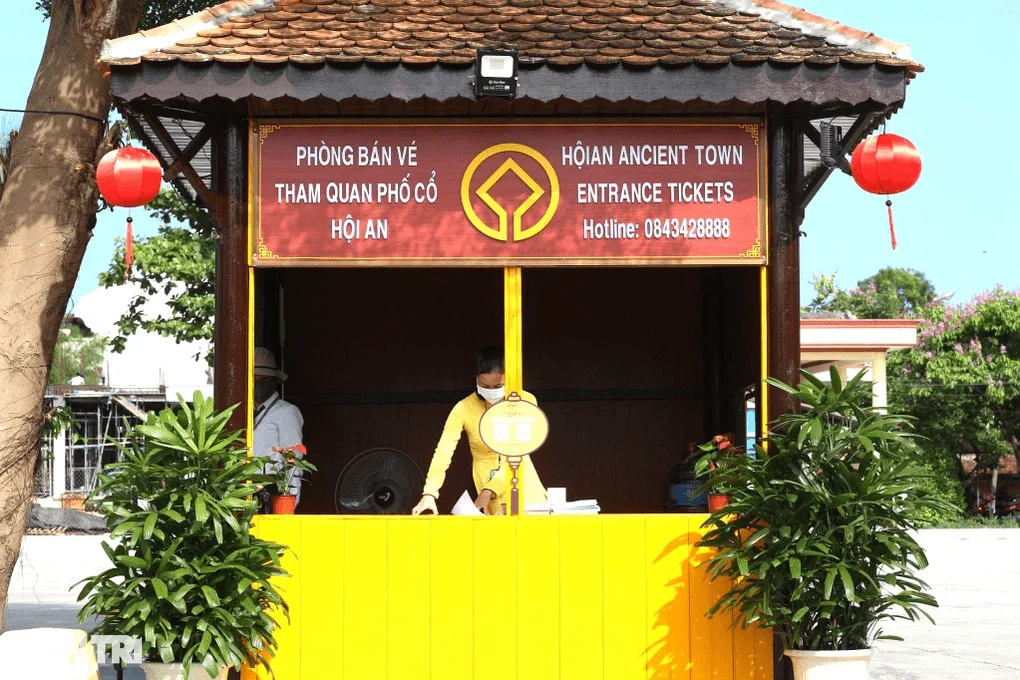
We strongly recommend buying a ticket. The revenue goes directly to the preservation of the old houses which are constantly threatened by floods and termites. Your ticket includes entry to 5 specific sites (museums, assembly halls, old houses, or the Japanese Bridge). Keep the ticket stub handy as you will need it to enter these buildings.
Dress Code for Sacred Sites
While Hoi An is a relaxed tourist town, the temples and assembly halls are active places of worship. It is important to dress modestly when entering these sites.

Ensure your shoulders and knees are covered. A sarong or a light scarf is a great item to carry in your day bag. If you are wearing a tank top or short shorts, you may be denied entry to places like the Phuc Kien Assembly Hall or the Quan Cong Temple.
Walking Etiquette
The streets can get crowded, especially in the evening. Be mindful of the flow of traffic. Although motorbikes are banned during peak hours, bicycles and cyclos (pedicabs) still share the road.
Walk on the right side or the sidewalks where possible. If you stop to take a photo, try to step out of the main path. Be polite to the street vendors; a smile and a “no thank you” is usually enough if you are not interested in buying.
Why Explore the Old Town with Hoi An Unique Travel?
You can certainly walk the streets of Hoi An Ancient Town alone, but you will only scratch the surface of what this place has to offer. Hoi An Unique Travel transforms a simple sightseeing trip into a deep cultural immersion.
Our guides are locals who grew up playing in these alleyways. They know the families who live in the heritage houses and can get you access to stories that aren’t in the guidebooks. They can explain the complex symbolism behind the carvings in the assembly halls.

We take the stress out of logistics. We handle the airport transfers, the entrance tickets, and the restaurant reservations. We know the best times to visit the popular spots to avoid the big tour buses.
With Hoi An Unique Travel, you gain a friend in the city. We show you the hidden cafes, the best tailors that don’t pay commissions, and the quiet corners where you can feel the true soul of Faifo.
Leave the planning to us and simply enjoy the journey. Book Now to secure your preferred date, or Contact Us to customize your itinerary. Not sure where to start? Call us for a free consultation at +84 916 976 731.
>>> View more: Hoi An Tours & Private Luxury Experiences | Hoi An Unique Travel
FAQs About Hoi An Ancient Town
What makes Hoi An Ancient Town so special?
Unlike many Asian cities that were modernized or destroyed by war, Hoi An is a miraculously intact “living museum.” Its magic lies in its cultural fusion—where Japanese bridges, Chinese assembly halls, and French-colonial buildings stand side-by-side. Add the total absence of cars, the glow of thousands of silk lanterns, and world-renowned tailor shops, and you have a romantic atmosphere found nowhere else on earth.
Where exactly is the old town Hoi An located?
The Ancient Town rests peacefully near the estuary of the Thu Bon River in Quang Nam Province, Central Vietnam. It acts as the cultural heart of the coast, situated roughly 30 kilometers (a 45-minute drive) south of the modern, bustling city of Da Nang.
How long should I spend in Hoi An Ancient Town?
While day-trippers rush through in 24 hours, true travel experts highly recommend spending 3 to 4 full days. This gives you enough “slow time” to get custom clothing tailored, take a local cooking class, cycle to the nearby An Bang Beach, and wander the lantern-lit streets without feeling rushed.
Do I really have to pay to enter Hoi An Ancient Town?
The streets themselves are open, but to access the heritage preservation zone and enter the famous historic buildings (like the Japanese Bridge or Tan Ky Old House), a 120,000 VND ticket is required. We strongly encourage purchasing it; the revenue goes directly toward protecting these fragile wooden structures from floods and termites, ensuring the town survives for future generations!
Recent Posts






Our Associations


Our Awards








