Popular Tours






Have you ever stopped to wonder whose hands carved the magnificent pillars and intricate altars that define Hoi An’s ancient beauty? Just across the Thu Bon River lies the Kim Bong Carpentry Village, the ancestral home of the master artisans who literally built the town’s architectural soul. Let’s venture into their workshops to witness the timeless art of woodworking that has thrived here for centuries.
Kim Bong Carpentry Village At a Glance
Short on time? Here is a quick overview to help you plan your visit to the artisans’ island:
- Location: Cam Kim Commune, Hoi An (across the Thu Bon River).
- Kim Bong Village Entrance Fee: 100% Free.
- How to Get There: Bicycle across Cam Kim Bridge or take a scenic kim bong carpentry village boat tour.
- Top Activities: Watching master woodcarvers, cycling through rural paths, and shopping for authentic wooden souvenirs.
- Recommended Duration: 2 to 3 hours (half-day trip).
Overview of Kim Bong Carpentry Village
Kim Bong Carpentry Village, situated in Cam Kim Commune near Hoi An, is one of Vietnam’s most well-known traditional woodworking centers, with a history extending back more than five centuries. The village is deeply connected to the development of Hoi An Ancient Town, as generations of skilled artisans contributed to the construction of its iconic wooden houses, temples, and communal buildings.

The name “Kim Bong” reflects the village’s heritage and identity. “Kim” signifies gold, while “Bong” refers to emergence, representing a prosperous riverside land that nurtured craftsmen renowned for their exceptional skill and precision.
Kim Bong is celebrated for its finely hand-carved wooden works, shaped by a blend of Vietnamese, Cham, Chinese, and Japanese artistic influences. Typical products range from traditional wooden houses and furniture to statues, boats, and decorative architectural elements, all created through meticulous handcraft techniques.
The village has played an essential role in preserving Hoi An’s wooden architecture, contributing significantly to the town’s designation as a UNESCO World Cultural Heritage site. In recognition of its cultural value, Kim Bong woodworking was officially listed as a National Intangible Cultural Heritage in 2016.
Today, Kim Bong Carpentry Village continues to attract visitors interested in traditional craftsmanship and those seeking a deeper understanding of Vietnam’s cultural and architectural heritage.
>>> View more: Hoi An Historical Sites: Top Historic Places You Must Visit
The Artisans Behind Hoi An’s Ancient Architecture
When you admire the iconic yellow houses, the ornate assembly halls, and the graceful Japanese Covered Bridge in the Ancient Town, you are witnessing the handiwork of Kim Bong’s ancestors. Founded in the 15th century by four master craftsmen from the north, this village quickly rose to prominence. By the late 17th century, the carpenters of Kim Bong were renowned throughout the Nguyen Dynasty.
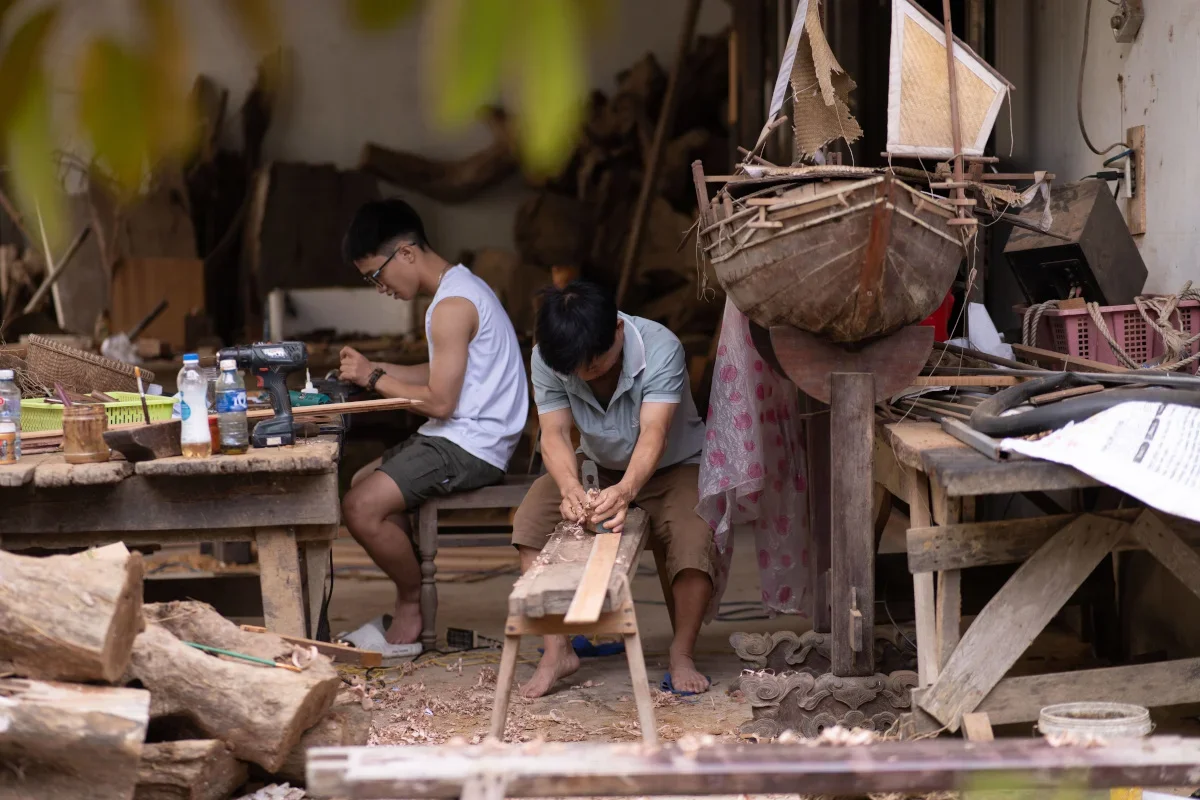
Their reputation was so prestigious that they were summoned to the imperial capital of Hue to construct citadels and royal tombs. They were the masterminds behind the sophisticated wooden architecture that defines the region’s heritage. The village developed three distinct groups of artisans: those who built ships, those who constructed civil wooden furniture, and those who specialized in ancient architectural construction.
Today, that lineage continues unbroken. The current generation of woodcarvers still practices the traditional techniques passed down from their forefathers. They do not merely produce souvenirs; they are the custodians of a technique that breathes life into wood.
Walking through the village, you will see masters teaching apprentices the delicate art of inlaying mother-of-pearl or carving dragons that seem ready to take flight. This dedication to preserving the “soul” of the craft is what makes Kim Bong Carpentry Village Hoi An a living museum of Vietnamese ingenuity.
> Explore Hoi An’s Traditional Crafts with the Hoi An Handicraft Tours.
>>> View more: Hoi An Silk Village Guide: What to Expect and Tips


Travel Distance: From Da Nang and Hoi An to Kim Bong Village
Understanding the geography is key to planning your visit. Kim Bong Carpentry Village Hoi An is situated on Cam Kim Island, a peaceful rural commune that sits directly opposite the Hoi An Ancient Town. The physical distance is short, but the atmosphere is worlds apart.
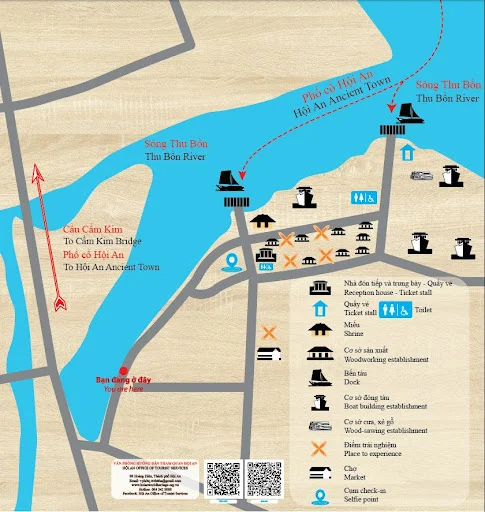
From the center of Hoi An Ancient Town, the village is less than 3 kilometers (approx. 1.8 miles) away if traveling by boat. This proximity makes it an ideal destination for a half-day excursion. You can easily visit in the morning and return to the town for lunch, experiencing two distinct sides of local life in a single day.
For travelers coming from Da Nang City, the journey is a bit longer but equally straightforward. The village is approximately 35 kilometers (about 22 miles) south of Da Nang. The drive takes you along the scenic coastal road, passing the Marble Mountains and the sandy stretches of My Khe Beach.
Typically, the drive from Da Nang takes about 45 minutes to an hour by private car. Many visitors choose to combine a trip to Kim Bong with a broader exploration of the Hoi An countryside, making for a full and enriching day trip.
How to Get to Kim Bong Village: Boat, Ferry, or Bicycle?
Reaching the village is part of the adventure, with several options catering to different travel styles. Knowing how to get to Kim Bong village allows you to choose the mode of transport that best fits your itinerary.
By Local Ferry

For the most authentic experience, take the local passenger ferry from the Bach Dang wharf near the Hoi An market. This ferry is a lifeline for locals commuting between the island and the town. The ride takes about 10 to 15 minutes and costs a nominal fee of around 20,000 VND (approx. $0.80 USD). It’s a fantastic way to mingle with residents and see the river from their perspective.
By Private Boat
If you prefer a more private and leisurely journey, you can hire a small wooden boat from the boat station in the Old Town. This option allows you to enjoy the river scenery at your own pace. A private boat ride typically costs between $5 and $10 USD depending on your negotiation skills and the number of passengers.
By Bicycle via the Cam Kim Bridge

With the completion of the new steel bridge connecting Hoi An to Cam Kim Island, cycling has become a popular option. You can rent a bicycle in town for about $2 USD per day and pedal across the bridge. The ride offers sweeping views of the river and leads you directly onto the quiet village roads. This route takes about 20-30 minutes and gives you the freedom to stop for photos whenever you please.
>>> View more: Eco-Luxury Hoi An Cycling Tour: Cam Thanh & Organic Farm
Kim Bong Village Entrance Fee and Opening Hours
- Address: Duong Nong Thon, Trung Ha Hamlet, Cam Kim Commune, Hoi An City.
- Opening Hours: 7:00 AM – 5:00 PM, Monday to Sunday.
- Kim Bong Village Entrance Fee: Free (0 VND).
Unlike some other tourist attractions, there is no official Kim Bong village entrance fee. The village welcomes visitors throughout the week for free. However, since this is a traditional working village, we highly recommend supporting the local craftsmen by purchasing their handmade wooden products or offering small donations at the workshops you visit.
Highlights of a Kim Bong Carpentry Village Boat Tour
A visit to Kim Bong is not just about observing; it is about engaging with a community that lives by the river and the chisel. A Kim Bong carpentry village boat tour offers a structured way to experience the best the island has to offer.
Watch Master Woodcarvers in Their Workshops
The heartbeat of the village is found in its open-air workshops. As you wander through the lanes, the rhythmic sound of wooden mallets striking chisels will guide you to the artisans. You are welcome to step inside and watch them at work.
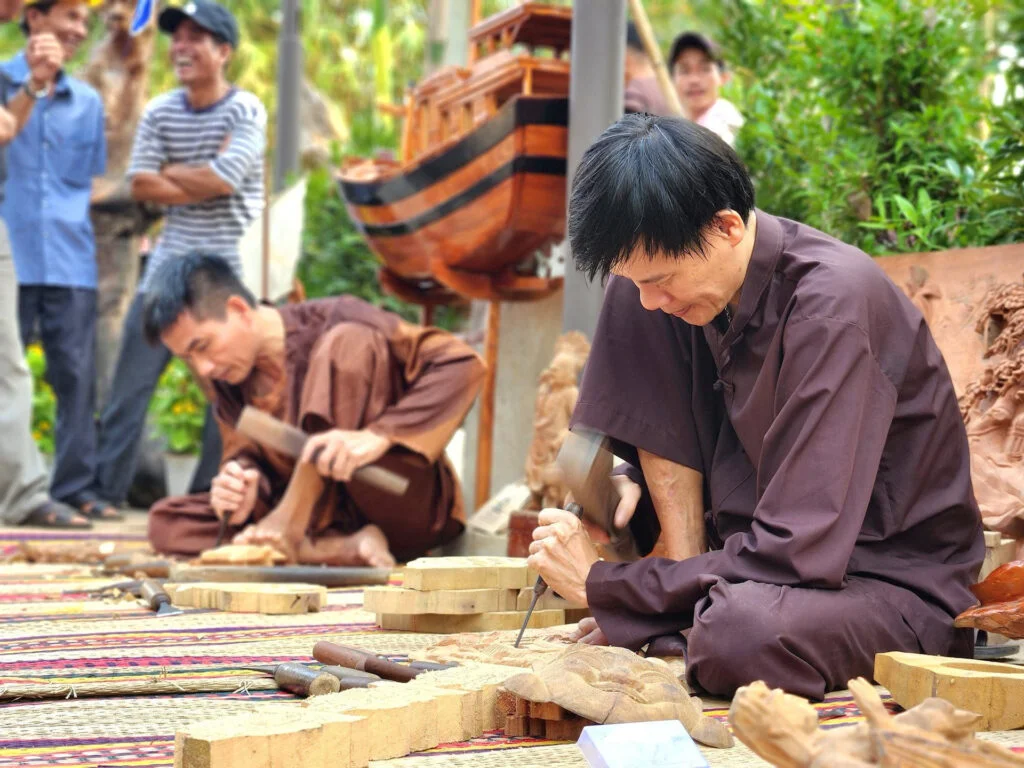
You will see blocks of rough timber transformed into intricate statues of Buddha, mythical creatures, and everyday scenes. The level of detail is astounding. Watch as an artisan meticulously carves the scales of a dragon or the folds of a robe.
Many workshops are family-run, and the masters are often happy to demonstrate their tools and techniques. You might even be invited to try your hand at sanding a piece of wood or making a simple cut. It is a tactile experience that gives you a profound appreciation for the patience and skill required for this art form.
>>> Ready to discover Hoi An’s artisan side? Join the Exclusive Hoi An Handicraft Tours: Lanterns, Farm & Boat today.
Cycle Through the Quiet Countryside Paths
Once you step away from the main workshops, the rest of Cam Kim Island reveals itself as a pastoral paradise. The village is surrounded by lush green rice paddies, cornfields, and bamboo groves. Cycling through these quiet paths is a highlight for nature lovers.
>>> View more: Hoi An Lantern Making Class: Craft Your Own Traditional Souvenir

The roads are narrow and largely free of car traffic, making them perfect for a leisurely ride. You will pass traditional houses with ancestral shrines, water buffalo grazing in the fields, and children riding their bikes to school.
The air here is fresh and smells of earth and vegetation. It is a stark contrast to the busy streets of the tourist center. Stopping at a local lotus pond or a sedge mat weaving workshop adds another layer of cultural discovery to your cycling adventure.
Shop for Authentic Handcrafted Souvenirs
Unlike the mass-produced trinkets found in some markets, the souvenirs here are genuine works of art. The village showrooms display a wide range of wooden products, from small items like chopsticks, coasters, and statues to larger pieces like furniture and decorative panels.
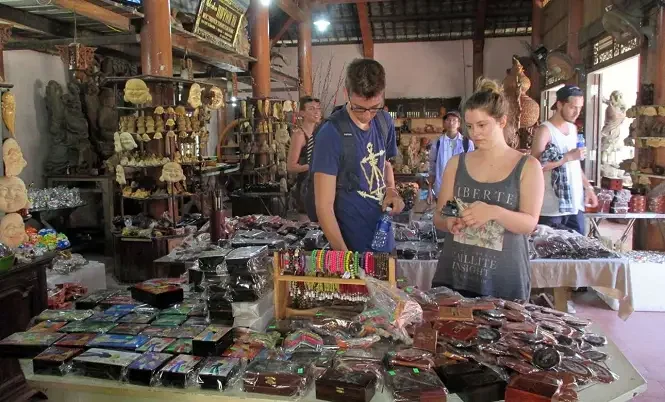
Buying directly from the artisans ensures that you are getting a high-quality product made from good timber like jackfruit or ironwood. It also means your money goes directly to the creators, supporting the continuation of their craft.
You can find unique items that tell a story, such as a carved wooden buffalo or a traditional Vietnamese lady figure. Prices are generally reasonable, and bargaining is acceptable but should be done with respect for the artist’s labor.
>> Discover Kim Bong Carpentry Village with a Hoi An Cycling Tour.


Where to Eat Near Kim Bong Village

Exploring can work up an appetite, and while Kim Bong is a rural village, it offers some delightful culinary surprises. The food scene here is rustic, local, and incredibly fresh.
- Local Noodle Stalls – [Throughout Kim Bong Carpentry Village, Cam Kim, Hoi An]: Scattered throughout the village are small family-run eateries serving “Mi Quang” (Quang-style noodles) and “Cao Lau.” These dishes are prepared with local herbs and distinct flavors that differ slightly from the town versions. A bowl typically costs around 30,000 VND (approx. $1.20 USD).
- Riverside Cafes – [Riverfront Road, Cam Kim, Hoi An]: Along the riverfront, you will find simple cafes with hammocks and plastic chairs. These are perfect spots to enjoy a “Ca Phe Sua Da” (iced milk coffee) or a fresh coconut while watching the boats drift by. The breeze from the river makes these spots naturally cool and relaxing.
- Banh Dap (Smashed Rice Cracker) – [Cam Kim Market Area, Cam Kim, Hoi An]: Cam Kim Island is famous for this unique snack. It consists of a sheet of wet rice paper placed over a crispy grilled rice cracker, which is then smashed together and dipped in a pungent, savory fish sauce with chili. It is a crunchy, chewy delight that you must try at a local roadside stall.
- Tra Nhieu Eco-Village – [Tra Nhieu Hamlet, Duy Vinh, Duy Xuyen]: If you venture further into the island to the neighboring village of Tra Nhieu, you can find eco-tourism stops that serve home-cooked lunches. These often feature fresh river fish, morning glory stir-fry, and other countryside staples cooked in a traditional clay pot.
Check out the best restaurants in Hoi An for local and international cuisine.
Top Attractions to Combine with Your Kim Bong Visit
Since a trip to the woodworking island usually takes just half a day, you can easily combine it with other cultural highlights around Hoi An:
- Thanh Ha Pottery Village: Cross the river to explore another ancient craft. If Kim Bong is the master of wood, Thanh Ha is the master of clay.
- Hoi An Ancient Town: Return to the old town in the afternoon to see the very buildings, temples, and bridges that the Kim Bong ancestors built centuries ago.
- Tra Que Vegetable Village: Swap the wood shavings for organic soil. Head north to experience traditional farming and take a hands-on cooking class.
- Cam Thanh Coconut Village: For an ecological adventure, book a basket boat tour through the lush nipa palm waterways.
Where to Stay Near Kim Bong Carpentry Village Hoi An
If you want to fully disconnect from the busy tourist hubs and experience the authentic, slow-paced life of rural Vietnam, spending a night or two near Kim Bong carpentry village Hoi An is a fantastic choice. The accommodation options here lean towards rustic charm, eco-friendly living, and genuine local hospitality.
Here are the best ways to plan your stay, with estimated starting prices:
- Triem Tay Eco-Village (Neighboring Cam Kim): Just a short bicycle ride from the woodcarving workshops, this neighboring eco-village offers beautiful riverside bamboo lodges and boutique retreats. It is perfect for travelers who want a peaceful night surrounded by lush gardens and river breezes. (Prices typically start from 1,000,000 VND / approx. $40 USD per night).
- Cam Kim Authentic Homestays: There are several cozy, family-run homestays located right on the island. Staying here means you can wake up early, grab a local coffee, and wander the quiet village paths to watch the artisans start their day before any day-trippers arrive. (Highly budget-friendly, with prices starting from just 350,000 VND / approx. $14 USD per night).
- Hoi An Ancient Town (Across the River): If you prefer having modern amenities, lively bars, and hundreds of dining options at your doorstep, staying in the Old Town is highly recommended. Because the distance is so short, you can simply wake up and book a scenic Kim Bong carpentry village boat tour to cross the river and reach the island in just 15 minutes. (A wide range of options available, with comfortable boutique hotels starting from 700,000 VND / approx. $28 USD per night).
Tips for Visiting Kim Bong Carpentry Village
Before exploring Kim Bong Carpentry Village, a few practical tips can help you enjoy the experience more comfortably and respectfully while gaining deeper insight into its traditional craft culture.
Join a Guided Visit
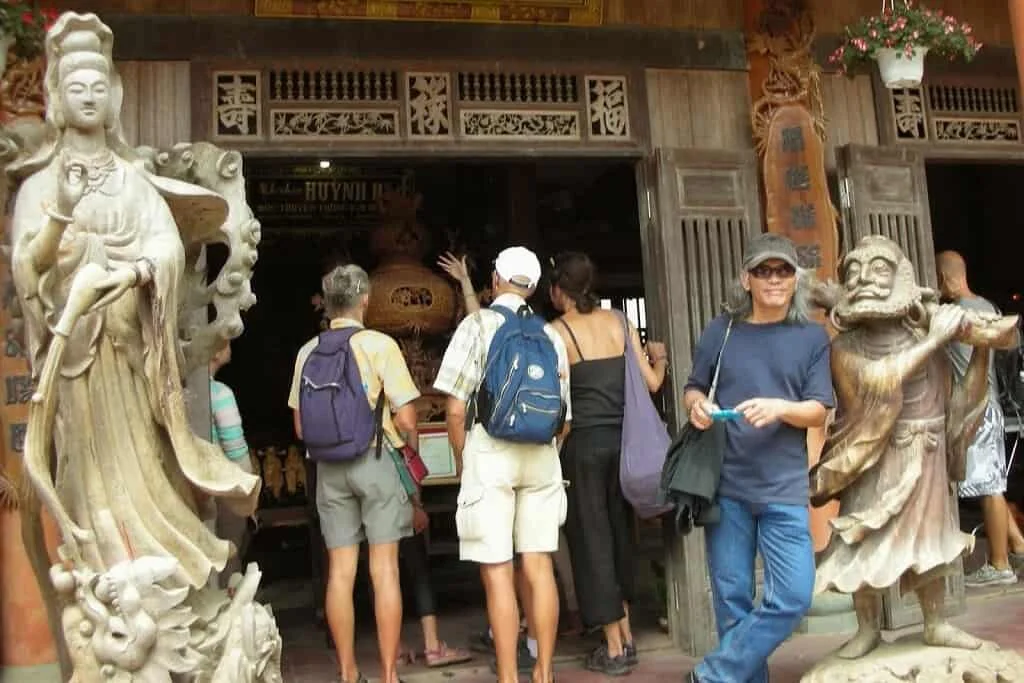
Although you can explore Kim Bong Carpentry Village on your own, joining a guided visit offers a deeper and more meaningful experience. A knowledgeable guide can help translate conversations with local artisans, explain the cultural and historical significance of the woodworking techniques, and lead you to hidden workshops that you might otherwise miss.
>>> View more: Exclusive Hoi An Handicraft Tours: Lanterns, Farm & Boat
Respect Local Craftsmen

Kim Bong is an active working village, so respectful behavior is essential. Always ask for permission before taking close-up photos of craftsmen or their work, and avoid interrupting them while they are carving or assembling. Pay attention to tools, wood pieces, and shavings on the ground to ensure your safety and to respect the workspace.
Prepare for Sun and Heat
The village features open pathways with limited shade, making it warm during the day. Wearing a hat, sunglasses, and sunscreen will help protect you from the sun, while carrying drinking water is recommended, especially if you plan to explore the village by bicycle or spend extended time walking around.
Why Should You Explore Kim Bong with Hoi An Unique Travel?
Visiting Kim Bong Carpentry Village Hoi An can be done solo, but to truly unlock the stories behind the wood, you need a local connection. Hoi An Unique Travel bridges that gap, turning a sightseeing trip into a cultural exchange.
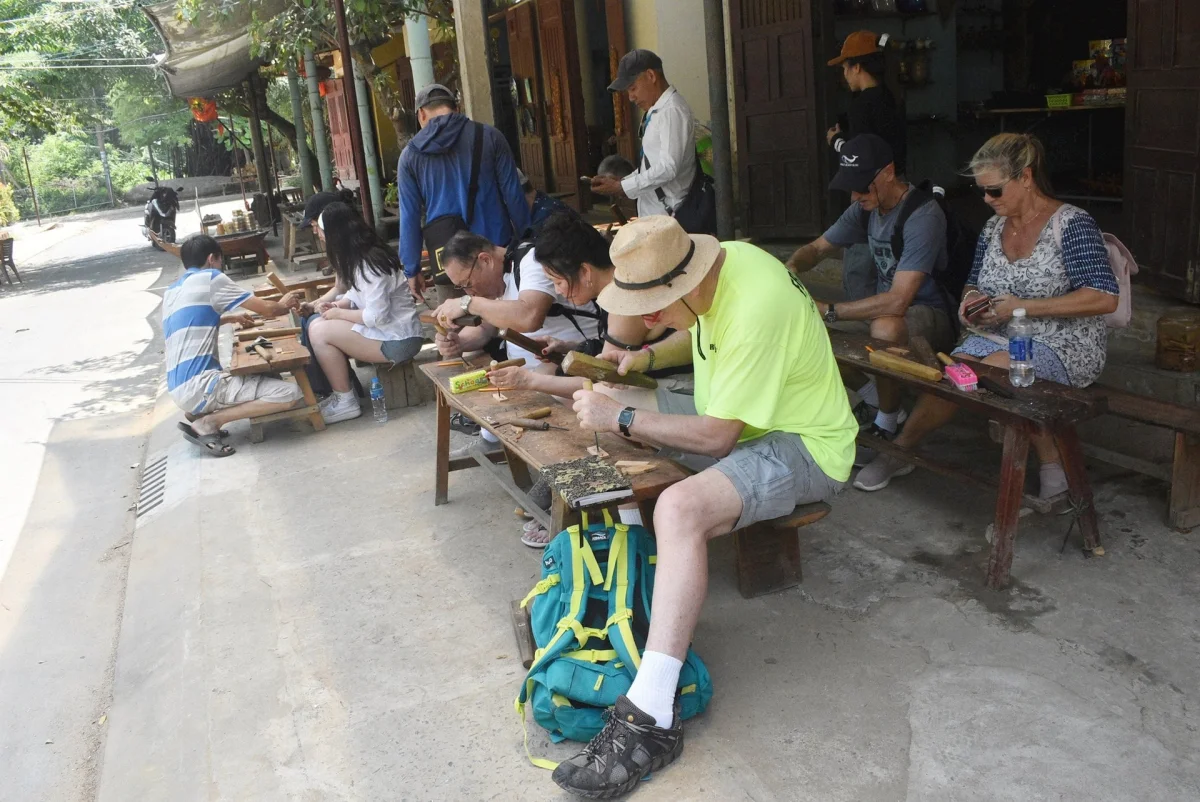
Our guides are locals who have personal relationships with the master carvers. We take you to the oldest workshops, introducing you to the artisans who have dedicated their lives to this craft. We facilitate meaningful interactions that go beyond a simple transaction.

We handle all the logistics, from arranging a private boat ride that avoids the crowded tourist ferries to providing high-quality bicycles for your island exploration. We know the best spots for “Banh Dap” and the quietest paths for cycling.
With Hoi An Unique Travel, you support sustainable tourism that respects the local heritage. We ensure that your visit contributes positively to the village economy. Let us guide you through the history and artistry of Kim Bong, ensuring your experience is authentic, comfortable, and deeply memorable.
Book now to secure your authentic carpentry experience in Kim Bong Carpentry Village. To explore our cultural tours and heritage packages, contact us or call +84 916 976 731 for a free consultation.
>>> Hoi An Tours & Private Luxury Experiences | Hoi An Unique Travel
FAQS Kim Bong Carpentry Village
How much is the Kim Bong village entrance fee?
The kim bong village entrance fee is completely free. You can walk or cycle around the village and visit the workshops without paying a ticket. However, buying a souvenir to support the local artisans is highly encouraged.
How to get to Kim Bong village from Hoi An Old Town?
Wondering how to get to Kim Bong village? The easiest ways are to cycle across the new Cam Kim steel bridge (takes about 20-30 minutes) or to take a scenic Kim Bong carpentry village boat tour / local ferry across the Thu Bon River (takes about 15 minutes).
Is Kim Bong Carpentry Village, Hoi An, worth visiting?
Yes, Kim Bong carpentry village hoi an is highly worth a visit, especially for history and architecture lovers. It offers a peaceful, rural escape from the busy town and provides a fascinating look into the traditional woodworking skills that built Hoi An’s heritage sites.
Can I buy souvenirs directly from the artisans?
Absolutely. Purchasing directly from the workshops guarantees authenticity and directly supports the craftsmen’s livelihood. You can find everything from small chopsticks to large, intricately carved statues.
Recent Posts






Our Associations


Our Awards








