Popular Tours






Hoi An historical sites offer more than just beautiful landmarks, they reveal a town where history quietly lives in every corner. As you wander through lantern-lit streets, you will discover centuries-old temples, ancient houses, and cultural spaces shaped by diverse influences from across Asia. Exploring these places becomes even more meaningful with insights from Hoi An Unique Travel, where every stop carries a story waiting to be understood.
Hoi An Historical Sites at a Glance (Quick Facts)
Before you start exploring, here is a quick checklist of everything you need to know for a smooth visit to the ancient town:
- Main Architectural Styles: A beautifully preserved fusion of traditional Vietnamese, Japanese, Chinese, and French Colonial designs.
- Entrance Requirement: You must purchase the Old Town Entrance Ticket (120,000 VND / approx. $5 USD), which grants access to 5 designated heritage buildings. Tickets are sold at the yellow booths located at major entrances to the pedestrian zone.
- Best Time to Visit: 7:00 AM – 9:00 AM (for peaceful, crowd-free photography and avoiding the heat) or after 5:00 PM (when the lantern-lit streets come alive).
- Strict Dress Code: Modest clothing covering your shoulders and knees is mandatory when entering temples, assembly halls, and the Japanese Covered Bridge.
- Average Time Needed: Plan for 3 to 4 hours to complete a relaxed walking tour covering the main historical landmarks.
- Getting Around: The historic core is completely pedestrian-friendly. Motorized vehicles are banned during most of the day, making walking or cycling the best ways to explore.
Overview of Hoi An Historical Sites
Hoi An ancient town is one of the most captivating destinations in Vietnam, where history blends naturally into everyday life and can be felt in every street and corner. Recognized as a UNESCO World Heritage Site, the town is known for preserving a unique mix of Vietnamese, Chinese, Japanese, and European cultural influences.
From well-preserved merchant houses to ancient temples and iconic bridges, Hoi An historical sites reflect the legacy of a vibrant trading port that once connected cultures across Asia and beyond.

Why Hoi An Is Rich in Historical Sites
Hoi An’s rich heritage dates back to the 15th–19th centuries, when it was a bustling international port. Traders from China, Japan, and Europe brought not only goods—but also architecture, religion, and traditions.
What makes Hoi An unique:
- Exceptional preservation of ancient buildings
- Fusion of multiple cultural influences
- Strong community effort in heritage conservation
- Minimal modern disruption in the Old Town
This rare combination makes Hoi An Ancient Town feel like a “living museum” rather than just a tourist destination.


Must-Visit Historical Places in Hoi An
Japanese Bridge – The Icon of Hoi An
The Japanese Covered Bridge, known locally as Chùa Cầu, is one of the most recognizable Hoi An historical sites and a lasting symbol of the town’s cultural fusion. Built in the late 16th century by Japanese merchants, the bridge once connected the Japanese and Chinese communities, reflecting Hoi An’s role as an international trading port.
What makes this site especially unique is its architectural design. The bridge features a distinctive roofed structure combined with a small temple inside, dedicated to Tran Vo Bac De, a guardian deity believed to protect the land.
Address: Nguyen Thi Minh Khai Street, Hoi An Ancient Town, Quang Nam, Vietnam
Opening hours: Open all day (best visited early morning or evening)
>>> Ready to experience the real Hoi An? Join the Local Tour Hoi An today.

Quan Cong Temple
Quan Cong Temple is one of the most significant Hoi An historical sites, known for its spiritual atmosphere and traditional Chinese architecture. Built in 1653, the temple is dedicated to Quan Cong, a revered general symbolizing loyalty, integrity, and justice.
The temple stands out with its vibrant red façade, intricate wood carvings, and large incense coils hanging from the ceiling. Inside, visitors can see a detailed statue of Quan Cong along with beautifully preserved altars that reflect deep cultural beliefs.
Address: 24 Tran Phu Street, Hoi An Ancient Town, Quang Nam, Vietnam
Opening hours: 7:00 AM – 5:00 PM
View more: Visit Tran family Chapel Hoi An: A Cultural Ancestral House Guide

Phuc Kien Assembly Hall
Phuc Kien Assembly Hall is one of the most visually striking Hoi An historical sites, known for its vibrant architecture and deep cultural roots. Originally built by the Fujian Chinese community, the hall served as a gathering place for merchants and later became a temple dedicated to Thien Hau, the goddess of the sea who protects sailors.
The entrance immediately stands out with its pink façade, ornate gate, and detailed carvings. Inside, visitors can explore a spacious courtyard, intricate dragon sculptures, and beautifully decorated altars filled with incense coils.
Address: 46 Tran Phu Street, Hoi An Ancient Town, Quang Nam, Vietnam
Opening hours: 7:00 AM – 5:00 PM
View more: Quan Thang Old House: Exploring Hoi An’s Architectural Heritage

Cantonese Assembly Hall
Cantonese Assembly Hall, also known as Quang Trieu Assembly Hall, is one of the most distinctive historical places in Hoi An, reflecting the heritage of the Cantonese Chinese community. Built in the late 19th century, the hall was originally a gathering place for merchants and later became a place of worship.
>>> View more: Nguyen Tuong Family Chapel Hoi An: A Cultural Heritage House

The architecture is bold and artistic, featuring curved roofs, detailed carvings, and a striking dragon fountain in the courtyard. Inside, visitors will find altars dedicated to Confucius and other revered figures, along with intricate decorations that showcase traditional craftsmanship.
Address: 176 Tran Phu Street, Hoi An Ancient Town, Quang Nam, Vietnam
Opening hours: 7:00 AM – 5:00 PM
The Old House of Phung Hung
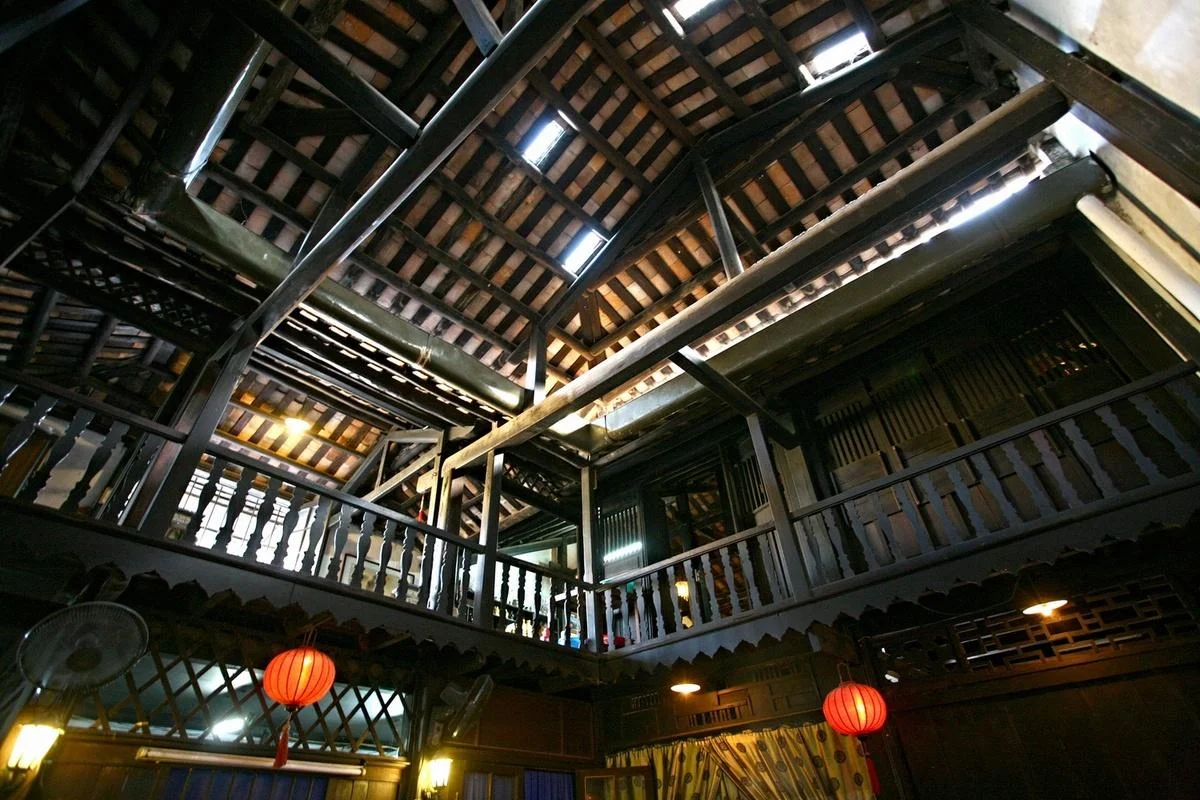
The Old House of Phung Hung is one of the most well-preserved Hoi An historical sites, offering a glimpse into the life of a prosperous merchant family over 200 years ago. This heritage house reflects a harmonious blend of Vietnamese, Chinese, and Japanese architectural styles, making it a standout example of the town’s cultural fusion.
Inside, visitors can admire the original wooden structure, intricately carved beams, and traditional layout designed to adapt to seasonal flooding. The house also displays antiques, ceramics, and historical items that tell stories of trade and daily life in the past.
Address: 4 Nguyen Thi Minh Khai Street, Hoi An Ancient Town, Quang Nam, Vietnam
Opening hours: 8:00 AM – 6:00 PM
View more: Duc An Old House: A Glimpse into History and Heritage
Precious Heritage Art Gallery Museum
Among the most meaningful Hoi An historical sites, the Precious Heritage Art Gallery Museum offers a completely different experience, where culture comes alive through powerful storytelling and visual art. Founded by French photographer Réhahn, the museum is dedicated to preserving and showcasing the rich diversity of Vietnam’s ethnic groups.
Located in the heart of Hoi An Ancient Town, this space features a stunning collection of traditional costumes, intimate portraits, and personal stories gathered from across the country. Each photograph captures not just a face, but a piece of heritage, making visitors feel deeply connected to Vietnam’s cultural identity.
Address: 26 Phan Boi Chau Street, Hoi An
Opening hours: 08:00 – 20:00 daily
View more: Minh Huong Communal House Hoi An: A Complete Guide

My Son Sanctuary – A Historic Site Near Hoi An
Among the most remarkable Hoi An historical sites, My Son Sanctuary stands out as a must-visit destination for history lovers. Located about 40 km from Hoi An Ancient Town, this UNESCO World Heritage Site was once the spiritual and political center of the ancient Champa Kingdom.
Dating back from the 4th to the 13th century, My Son Sanctuary is a complex of Hindu temples built to honor the god Shiva. Surrounded by lush mountains and jungle, the red-brick towers showcase sophisticated construction techniques and intricate carvings that have stood the test of time.
Address: Duy Phu Commune, Duy Xuyen District, Quang Nam
Opening hours: 06:30 – 17:30 daily

What is the best time to explore Hoi An historical sites?
Hoi An historical sites are best explored during the dry season, from February to August, when the weather is warm, sunny, and ideal for walking through the ancient town. During this time, the golden sunlight enhances the beauty of old houses, temples, and lantern-lined streets, making every corner feel like a postcard.
Early morning, around 7:00 to 9:00, is one of the most peaceful times to visit. The streets are quiet, the air is fresh, and you can fully appreciate the architecture without crowds. Late afternoon, from 16:30 to sunset, is another perfect window, when the town glows in soft golden light.

At night, Hoi An transforms into a magical setting with colorful lanterns reflecting on the river. While it’s more crowded, it’s still worth experiencing at least once. From September to January, the rainy season may bring floods and heavy showers, which can affect your travel plans. However, if you don’t mind the rain, the town has a calm and romantic charm during this period.
>>> View more: Museum of Sa Huynh Culture Hoi An: A Complete Visitor Guide
>> Discover historic landmarks on a Hoi An cycling tour and explore the city’s rich heritage.
Hoi An Old Town Entrance Ticket: What You Need to Know
To enter the protected heritage buildings, you must purchase an official Old Town Entrance Ticket. Without this ticket, you can walk the streets and eat at restaurants, but you cannot enter the assembly halls, museums, or ancient houses.
- Ticket Price: 120,000 VND (approx. $5 USD) per foreign visitor.
- What it includes: Each ticket comes with 5 tear-off coupons. You can use these coupons to enter any 5 designated Hoi An historical sites of your choice (e.g., Phuc Kien Assembly Hall uses 1 coupon, Old House of Phung Hung uses 1 coupon).
- Validity: Keep the ticket with you! It is valid for the entire duration of your stay in Hoi An.
- Where to buy: Yellow ticket booths are conveniently located at every major entrance to the pedestrian zone (such as the intersection of Hai Ba Trung and Tran Phu streets).
Pro Tip: The Precious Heritage Art Gallery Museum is completely free to enter and does not require a ticket coupon!
>>> Hoi An Tours & Private Luxury Experiences | Hoi An Unique Travel
Tips for Visiting Hoi An Historical Sites
When visiting historical places in Hoi An, a little preparation can make your experience much smoother and more enjoyable.
- Wear light and comfortable clothing, especially in the dry season when temperatures can get quite high. A hat, sunglasses, and sunscreen will help you stay comfortable while exploring outdoors.
- Buy an entrance ticket to access several heritage sites within the old town. This ticket allows you to visit a selection of temples, assembly halls, and old houses, giving you a deeper understanding of the town’s history.
- Dress respectfully when entering temples and religious sites. Avoid overly revealing outfits to show respect for local culture.
- Consider renting a bicycle or simply walking, as most Hoi An historical sites are located close to each other. This allows you to explore at your own pace and discover hidden corners along the way.
- Lastly, don’t rush. Take your time to soak in the atmosphere, enjoy local food, and truly experience the charm that makes Hoi An unforgettable.
>> Ready to see a different side of Hoi An? Book the Unique Hoi An Rural & Urban Life Tour today.


Discover Historical Places in Hoi An with Hoi An Unique Travel
Hoi An’s historical sites are best experienced not just by visiting, but by truly understanding the stories behind them. With Hoi An Unique Travel, each journey becomes more than a sightseeing trip, it turns into a meaningful cultural exploration through time.
From the iconic Japanese Covered Bridge to ancient houses, temples, and assembly halls, you will be guided through the most remarkable historical places in Hoi An with insights that bring every corner to life. Whether it’s learning about the town’s trading past, its blend of cultures, or the traditions still preserved today, the experience feels personal and immersive.
Hoi An Unique Travel offers flexible tours designed for different travel styles, from relaxed walking tours to deeper cultural journeys. You can explore at your own pace, discover hidden gems, and enjoy authentic local experiences along the way.
If you’re looking to go beyond the surface and truly connect with the heritage of Hoi An, this is the perfect way to start your journey.
>>> Experience authentic local life with a Local Tour Hoi An and discover hidden gems.
FAQs About Hoi An Historical Sites
Are Hoi An’s historical sites free to enter?
Walking the streets of the Ancient Town is free, but entering specific Hoi An historical sites like assembly halls, ancient houses, and specific temples requires an Old Town Entrance Ticket (120,000 VND). This ticket grants you access to 5 heritage sites of your choice.
How long does it take to explore Hoi An’s historical sites?
A standard walking tour covering 4 to 5 major historical places in Hoi An takes about 2 to 3 hours. However, if you plan to read the historical plaques, take photos, and enjoy a coffee break, you should allocate a full half-day (around 4 hours) to properly absorb the heritage atmosphere.
Which is the most famous historical site in Hoi An?
The Japanese Covered Bridge (Chua Cau) is the most famous and photographed historical site in Hoi An. Built in the 16th century, it stands as the ultimate symbol of the town’s international trading history and cultural fusion.
Do I need a tour guide for Hoi An’s historical sites?
While you can explore independently, hiring a local guide is highly recommended. The visual beauty of these sites is stunning, but their true value lies in the hidden stories of the merchant families, architectural feng shui, and trading history that only a knowledgeable local expert can reveal.
Hoi An historical sites offer more than just beautiful views, they reveal the soul and history of the town through every detail. Each place you visit adds another layer to your understanding of its rich cultural heritage. Take your time to explore and enjoy the atmosphere at your own pace. Hoi An is not just a destination, but an experience that stays with you.
Recent Posts






Our Associations


Our Awards








