Popular Tours






Deep within the French Quarter, a colonial mansion houses one of the most culturally significant collections in all of Southeast Asia. This is not merely an exhibition of photographs; it is a profound visual anthropology that captures the disappearing soul of a nation. In this article, let’s explore the stories behind the faces and discover why this gallery is an essential stop for anyone seeking to understand the true diversity of Vietnam.
Must Knows About Precious Heritage Art Gallery Museum
Before you step into this deeply moving cultural sanctuary, here are the essential details for your visit:
- Location: 26 Phan Boi Chau Street, nestled in the quiet, elegant French Quarter of Hoi An.
- The Creator: World-renowned French photographer Réhahn (often called the “Soul Catcher”).
- The Collection: A stunning visual documentation of Vietnam’s 54 official ethnic groups, featuring large-format portraits and over 60 authentic traditional costumes.
- Entrance Fee: 100% Free. Réhahn’s philosophy is that cultural heritage should be accessible to everyone.
- Opening Hours: Daily from 8:00 AM to 8:00 PM (Making it a perfect pre-dinner evening activity).
Pro Tip: Look closely at the portraits to spot the famous “Hidden Smile”—a signature gesture of modesty captured by Réhahn across various tribes.
Introduction of Precious Heritage Art Gallery Museum
The Precious Heritage Art Gallery Museum stands as a culmination of a decade-long journey by French photographer Réhahn to document the 54 officially recognized ethnic groups of Vietnam. Located in a beautifully restored 19th-century French house, the museum spans 500 square meters and offers an immersive experience that is both artistic and educational. It is a space where silence speaks volumes, allowing the visitor to connect intimately with the subjects of the portraits.
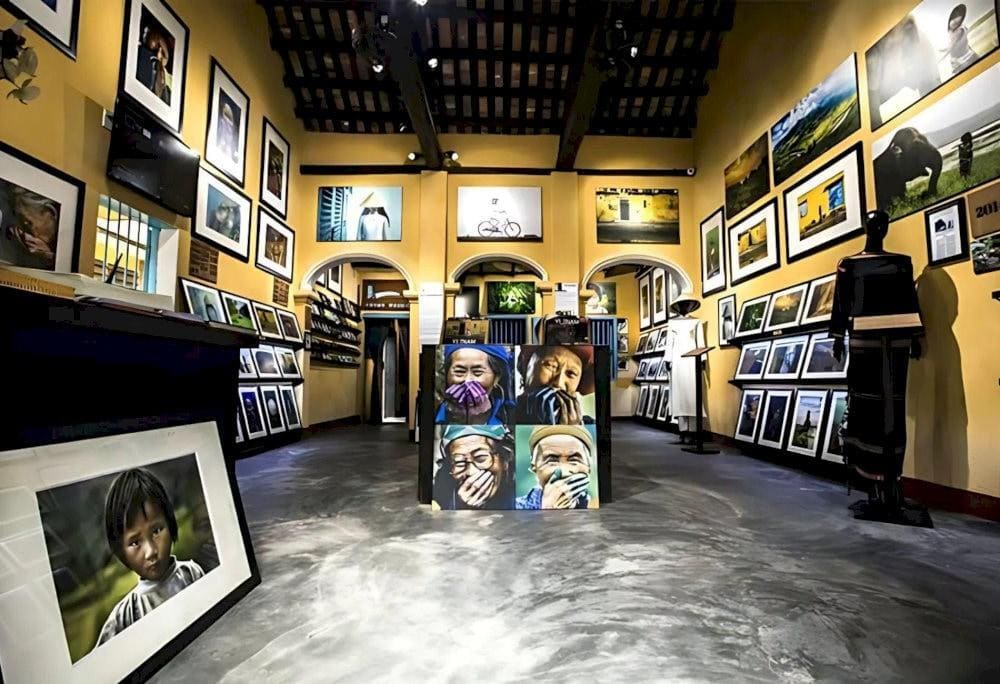
The museum is unique in its scope. While many museums display artifacts behind glass, this gallery brings culture to life through large-format portraits that focus on the eyes, the smiles, and the weathered hands of the people. Alongside the photographs, Réhahn has collected authentic traditional costumes, many of which are the last of their kind, gifted to him by the village elders he befriended.
This endeavor is a race against time. As modernization reaches the remotest corners of the country, traditional dress and customs are fading. The museum serves as a sanctuary for these cultural treasures, ensuring that the vibrant tapestry of Vietnam’s ethnic identity is preserved for future generations. It is a love letter to the people of Vietnam, written in light and texture.
>>> View more: Hoi An Historical Sites: Top Historic Places You Must Visit
The Artistic Journey Behind the Réhahn Gallery Hoi An
To appreciate the museum, one must understand the passion of its creator. Réhahn, often referred to as the “Soul Catcher,” did not set out to build a museum. His journey began as a personal exploration, riding his motorbike through the mountains of the north and the highlands of the central region, seeking connection rather than just images.
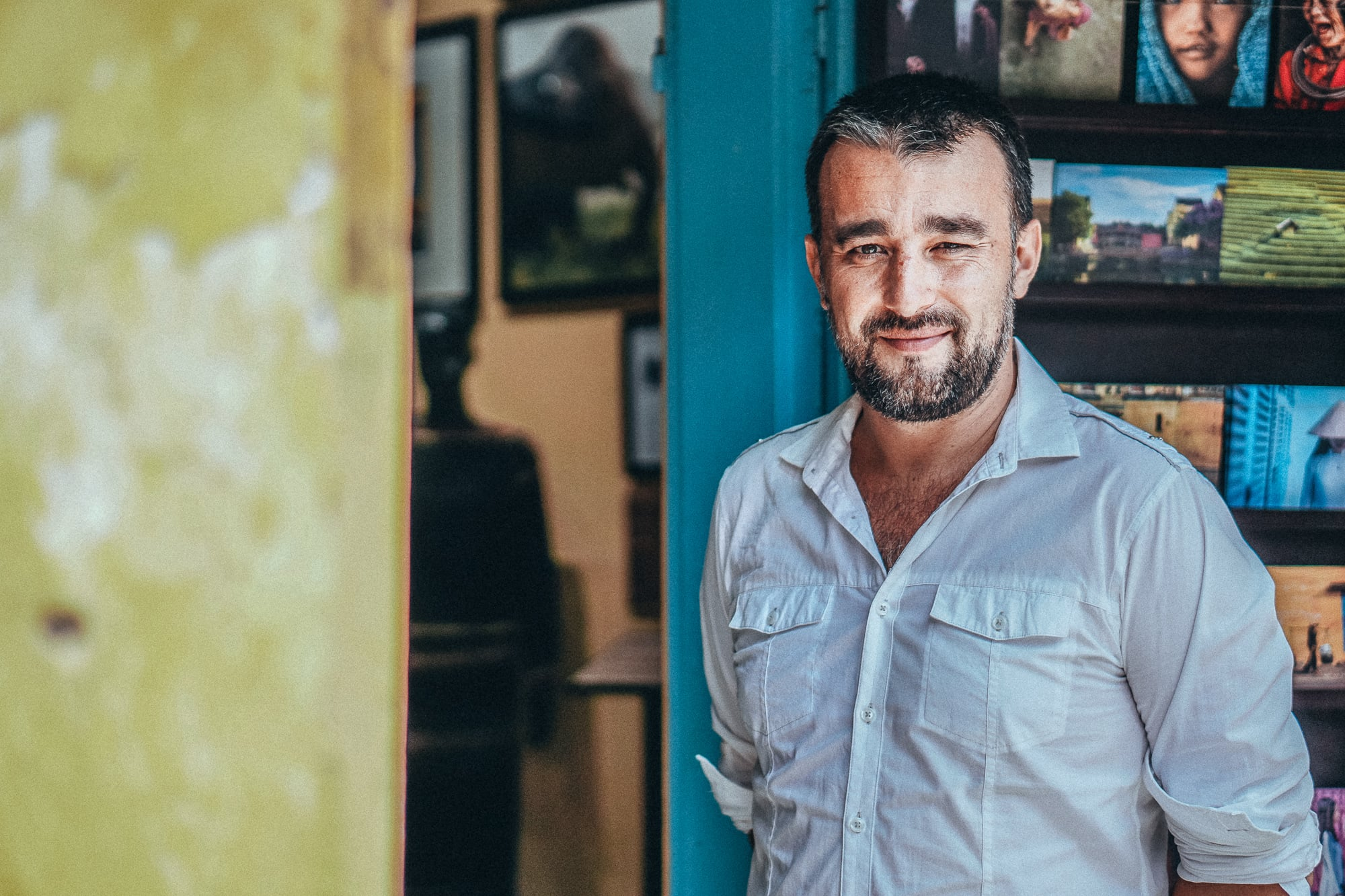
The Rehahn Gallery Hoi An is the physical manifestation of these encounters. Each photograph on the wall has a backstory, a name, and a relationship attached to it. Réhahn spent years building trust with the tribes, learning their languages, and participating in their daily lives before ever taking a camera out.
His philosophy is centered on dignity and respect. The “Precious Heritage” project was born from a realization that many of these tribes were losing their cultural markers. By photographing them in their traditional regalia and collecting their costumes, he gave them a mirror to see their own beauty and value.
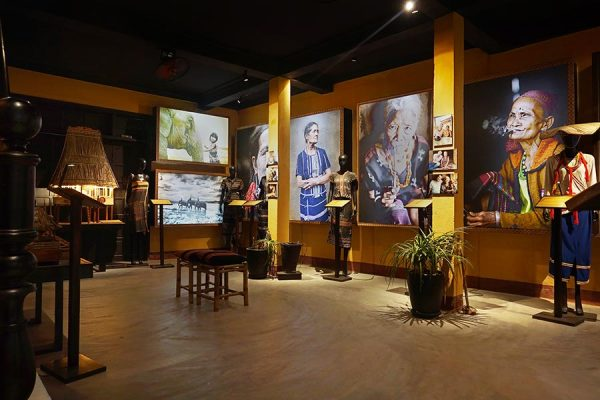
The project garnered international attention not just for the artistic quality of the images, but for its anthropological importance. It challenges the viewer to look beyond the conical hat and the rice paddy stereotype and see the complex, colorful, and diverse reality of Vietnam’s population. It is this depth of purpose that elevates the gallery from a simple tourist attraction to a significant cultural institution.
View more: Museum of Trade Ceramics: A Cultural Heritage Museum


Distance and Travel Time from Da Nang to the Gallery
For culture seekers staying in the coastal city of Da Nang, a visit to the gallery is an easy and rewarding excursion. The distance between Da Nang city center and the gallery in Hoi An Ancient Town is approximately 30 kilometers (about 18.6 miles). The journey takes you along the scenic coastline, offering glimpses of the Marble Mountains and the East Sea.
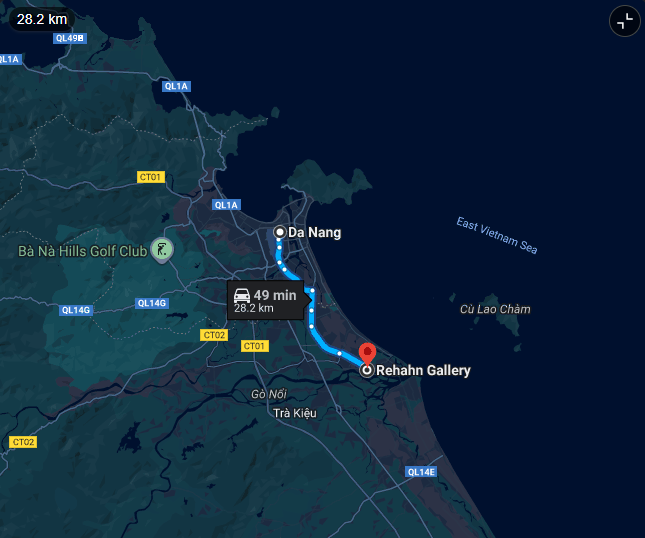
By private car or taxi, the commute typically takes between 45 to 60 minutes, depending on traffic conditions. This proximity makes it perfectly feasible to visit the museum as part of a day trip or even a dedicated afternoon outing.
If you are already staying in Hoi An, the gallery is located right in the heart of the Ancient Town, making it accessible on foot from most hotels in the heritage zone. It sits as a cultural anchor amidst the tailor shops and cafes, offering a quiet respite from the bustling streets.
How to Get to the Museum by Taxi or Walking
Reaching the gallery is straightforward, thanks to its central location. Whether you are navigating the narrow streets of the Old Town or arriving from outside, the destination is well-known and easy to find.
Arriving by Taxi or Private Car
If you are coming from Da Nang or a beach resort like An Bang, taking a taxi or a Grab car is the most convenient option. Ask the driver to drop you off at the intersection of Phan Chau Trinh and Le Loi streets. From there, it is a short one-minute walk to the museum entrance.

The streets in the immediate vicinity of the gallery are sometimes closed to motorized traffic during certain hours of the day (pedestrian-only times). Therefore, having the driver drop you at the edge of the pedestrian zone is the best strategy. The fare from Da Nang is typically around $12 to $15 USD.
Walking from the Ancient Town Center
For those already exploring the Hoi An Ancient Town, the museum is just a pleasant stroll away. It is located at 26 Phan Boi Chau Street. From the Japanese Covered Bridge, walk east along Tran Phu Street for about 10 minutes, then turn left onto Le Loi Street and finally right onto Phan Boi Chau.
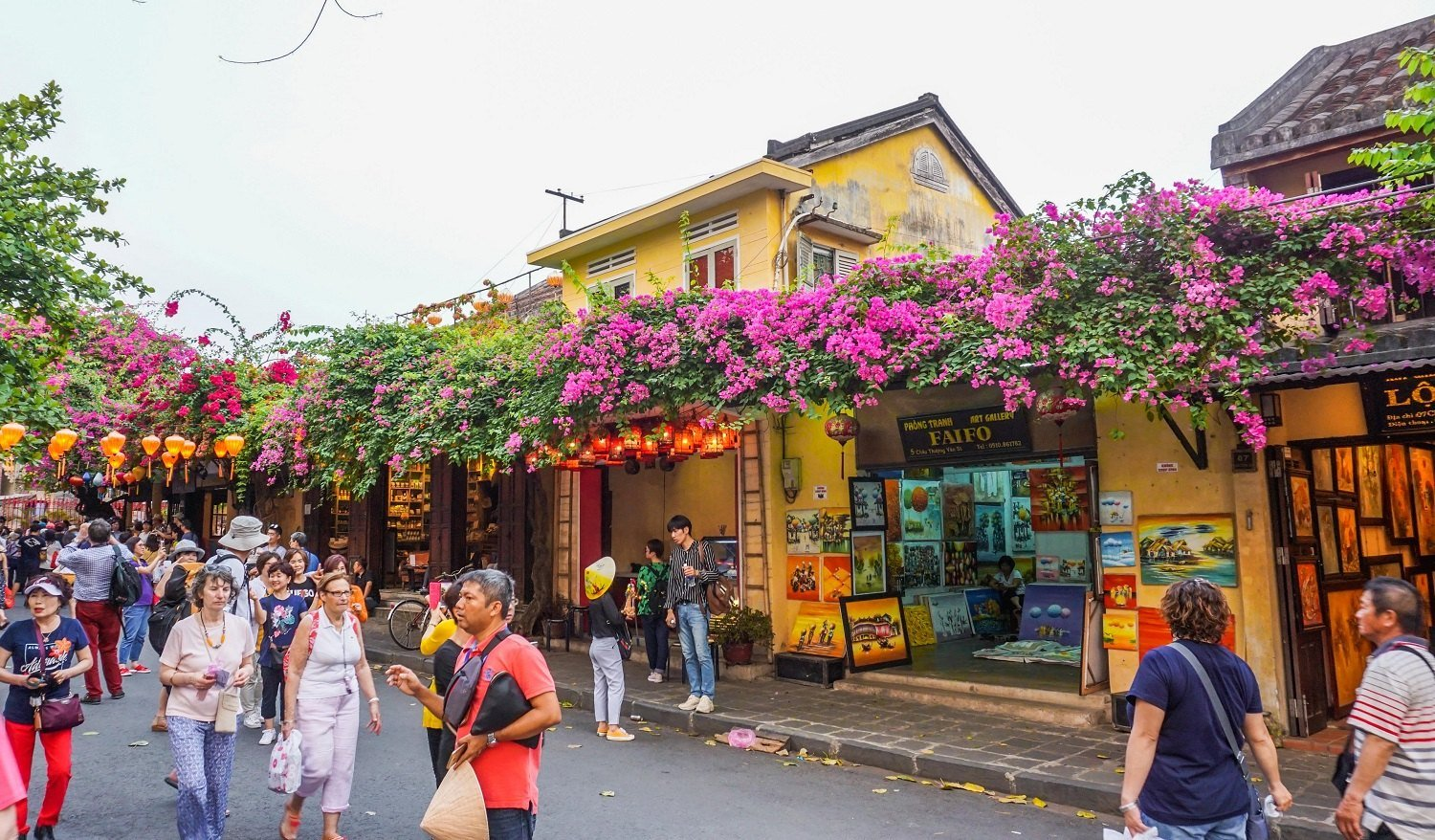
The walk takes you past other historical landmarks and charming shophouses. The museum is housed in a distinct yellow French colonial building that stands out even in a town famous for its architecture. Look for the large portraits displayed outside; you cannot miss it.
Location, Opening Hours, and Precious Heritage Museum Entrance Fee
Accessibility is a core value of the Precious Heritage project. The museum operates with the philosophy that culture should be shared freely with the world.
2026 Visitor Information
| Category | Details |
| Address | 26 Phan Boi Chau Street, Hoi An |
| Opening Hours | Daily from 8:00 AM to 8:00 PM |
| Best Time to Visit | 9:00 AM – 11:00 AM or 4:00 PM – 6:00 PM |
| Entrance Fee | Free of Charge |
| Guided Tours | Available upon request (Free) |
Remarkably, there is no precious heritage museum entrance fee. Visitors are welcome to explore the five rooms of the museum at their own pace without purchasing a ticket. This generous policy ensures that students, locals, and travelers on any budget can access this wealth of cultural knowledge.
The extended opening hours until 8:00 PM also make it a fantastic option for an evening activity before dinner. The lighting in the gallery creates a dramatic and intimate atmosphere at night.
Treasures Inside the Precious Heritage Art Gallery Museum
Stepping inside, you are transported on a journey that traverses the length of Vietnam, from the northernmost mountains of Ha Giang to the central highlands and the southern delta. The museum is divided into distinct zones, each dedicated to different regions and ethnic groups.
Meeting the People of Vietnam Through Soulful Portraits
The heart of the collection is undoubtedly the photography. Réhahn’s portraits are famous for capturing the “hidden smile,” where subjects cover their mouths in a gesture of modesty and politeness. But beyond the smiles, it is the eyes that captivate.
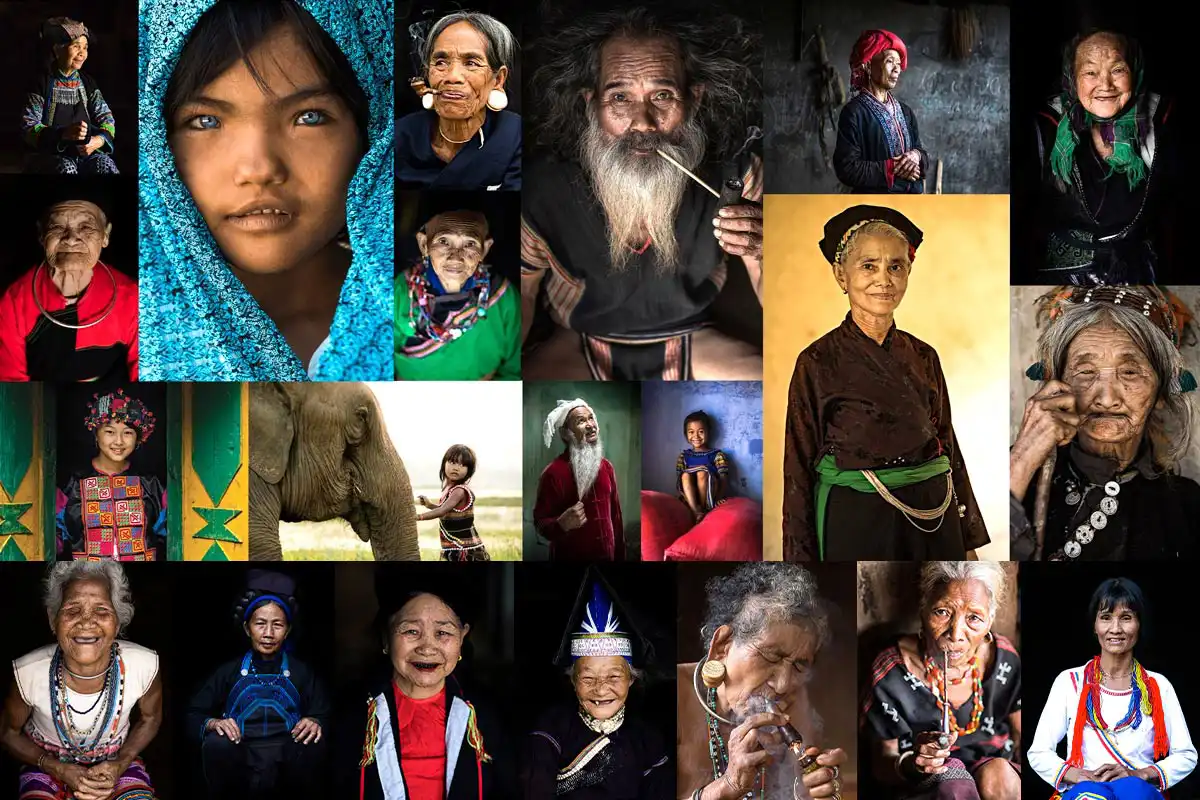
You will meet the O Du, the smallest ethnic group in Vietnam, with only a few hundred members left. You will see the Brau, the Ro Mam, and the Si La. Each portrait is accompanied by a story explaining who the person is, where they live, and a brief insight into their culture.
The large-format prints allow you to see every detail: the indigo dye stained on the hands of a Hmong woman, the intricate silver jewelry of a Dao bride, and the pipe-smoking wisdom of a blackened-tooth elder. It is a deeply human experience that fosters empathy and curiosity.
The Iconic “Hidden Smile” of Madam Xong
You cannot visit this gallery without admiring its most famous piece: the portrait of Madam Xong. This iconic image of an elderly woman covering her smile with weathered hands has become the unofficial face of Hoi An and was even presented to the President of France.
The best part? Madam Xong is not a figure of the past; she still rows her small wooden boat on the Hoai River today!
Preserving the Traditional Costumes of Ethnic Minorities
While the photos provide the soul, the costumes provide the texture. The Precious Heritage Art Gallery Museum houses more than 60 authentic traditional costumes, some of which are among the last surviving examples of their kind.
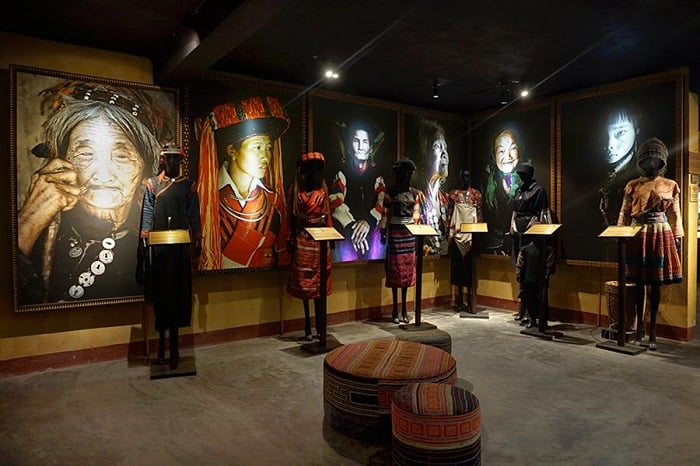
Displayed on mannequins alongside the portraits, these textiles are masterpieces of craftsmanship. You can examine the complex embroidery of the Flower Hmong, the beadwork of the Co Tu, and the bark-cloth tunics of the central highlanders. Each costume tells a story of identity, marital status, and social standing.
Réhahn also displays artifacts such as musical instruments, jewelry, and agricultural tools. These objects provide context to the lives of the people in the photos, bridging the gap between art and anthropology.
>>> Continue your cultural journey with a visit to the historic My Son Sanctuary Tour.
Best Restaurants and Cafes Near the Precious Heritage Museum
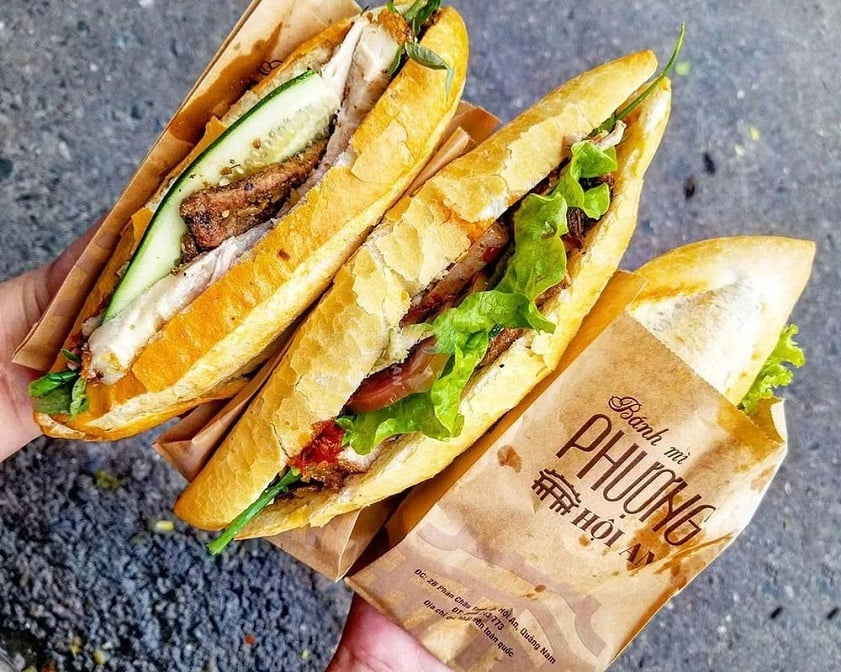
After an inspiring tour of the gallery, you will likely be ready for some culinary exploration. The museum’s location on Phan Boi Chau Street places it in a prime spot for dining.
- Ganesh Indian Restaurant – [99 Tran Hung Dao, Minh An, Hoi An]: Located just a few doors down, this is widely considered one of the best Indian restaurants in Central Vietnam. The rich curries and freshly baked naan are perfect if you want a break from local cuisine.
- Banh Mi Phuong – [2B Phan Chu Trinh, Cam Chau, Hoi An]: A short walk away on Phan Chau Trinh Street is the legendary Banh Mi shop made famous by Anthony Bourdain. Be prepared for a queue, but the crispy baguette filled with savory meats and herbs is worth the wait.
- Mia Coffee – [20 Phan Boi Chau, Cam Chau, Hoi An]: For a high-quality caffeine fix, head to Mia Coffee nearby. They roast their own beans and serve excellent Vietnamese coffee as well as Western-style flat whites and cappuccinos on a quiet terrace.
- Brother’s Café – [27-29 Phan Boi Chau, Cam Chau, Hoi An]: Situated in a stunning colonial garden setting by the river, this restaurant offers a high-end buffet and a la carte menu of Vietnamese specialties. It is a great spot for a romantic dinner or a relaxed lunch.
>>> Discover the full list of the best restaurants in Hoi An.
>> Explore our curated guide to the best coffee in Hoi An.
Where to Stay: Boutique Retreats Near the French Quarter
The area surrounding Phan Boi Chau Street is known for its elegant colonial architecture and peaceful riverside vibe. Here are the best places to stay nearby:
- Anantara Hoi An Resort: Located just a 3-minute walk from the museum, this luxury riverside resort offers French colonial charm, lush gardens, and world-class spa treatments. (Prices start from 4,800,000 VND / approx. $195 USD per night).
- Hoi An Historic Hotel: A beautiful, spacious property blending history with modern comfort, situated just a few blocks away from the gallery. (Prices start from 1,800,000 VND / approx. $75 USD per night).
- Lasenta Boutique Hotel Hoian: If you prefer a view of the rice paddies but still want to be within a 15-minute walk or a short bicycle ride to the gallery, this hotel offers a stunning infinity pool. (Prices start from 1,200,000 VND / approx. $48 USD per night).


Beyond the Museum: Top Destinations to Continue Your Journey
The Precious Heritage Museum is perfectly situated in the quieter, more elegant eastern side of the Ancient Town. After absorbing the emotional photography, seamlessly continue your walking tour by visiting these nearby architectural and cultural gems:
- The French Quarter (Phan Boi Chau Street): You don’t even need to walk far! The moment you step out of the gallery, you are standing in Hoi An’s historic French Quarter. Unlike the Japanese and Chinese-dominated center, this street is lined with grand, mustard-yellow French colonial mansions and chic cafes, offering a completely different architectural vibe for your photography.
- Quan Cong Temple: Just a quick 5-minute stroll away on Tran Phu Street, dive into the vibrant vermilion red and gold architecture of this 17th-century Chinese temple. It provides a striking, spiritual contrast to the colonial elegance of the gallery. [Ghi chú: Nhớ chèn Internal Link bài Chùa Ông vào đây]
- Hoi An Central Market: Head slightly west to immerse yourself in the chaotic, colorful, and delicious epicenter of local life. Transitioning from the silent, contemplative atmosphere of the museum to the bustling energy of the market is an incredible way to experience the two extremes of Hoi An.
- Ba Mu Temple Gates (Tam Quan Ba Mu): Located just a short walk deeper into the Old Town, this beautifully restored historical gate complex features intricate carvings and a stunning reflecting pool. It has recently become one of the most highly sought-after photo spots for culture lovers.
Essential Tips for Visiting the Art Gallery
To get the most out of your visit to the Precious Heritage Art Gallery Museum, a few practical tips can enhance your experience.
Take Your Time
Do not rush. The museum is deceptively large. To read the stories and truly appreciate the details of the costumes, you should budget at least 45 minutes to an hour. The layout invites a slow, contemplative pace.

There are benches throughout the gallery where you can sit and absorb the atmosphere. The music playing softly in the background includes traditional ethnic recordings, adding an auditory layer to the visit.
Engage with the Staff
The staff at the museum are incredibly knowledgeable and passionate about the project. They are multi-lingual and are happy to answer questions about the tribes or Réhahn’s adventures.
Often, they can point out details you might miss, such as the specific stitching techniques or the significance of a particular headdress. Do not hesitate to ask for a mini-tour; it adds a personal touch to the experience.
Visit the Shop
While the museum is free, it is supported by the sale of fine art prints and books. The gallery shop offers high-quality reproductions of Réhahn’s work, coffee table books, and postcards.
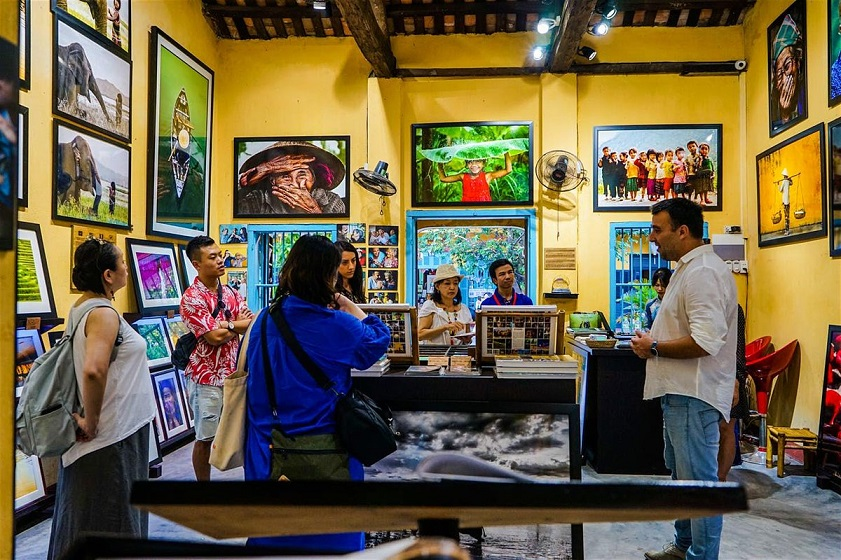
Purchasing a print or a book is a wonderful way to take a piece of the heritage home with you. A portion of the proceeds goes back into the Giving Back project, which supports the ethnic communities featured in the museum through education and infrastructure initiatives.
Take Your Time (and Enjoy the AC)
Do not rush. The museum is deceptively large. To read the stories and truly appreciate the details of the costumes, you should budget at least 45 minutes to an hour. The layout invites a slow, contemplative pace.
Pro Tip: The gallery is fully air-conditioned, making it the perfect midday sanctuary to escape the intense tropical heat of Central Vietnam while soaking in world-class art. There are benches throughout the gallery where you can sit, cool down, and absorb the atmosphere as traditional ethnic music plays softly in the background.
Why Combine Art and Culture Tours with Hoi An Unique Travel?
Visiting the Precious Heritage Art Gallery Museum gives you the visual context, but Hoi An Unique Travel gives you the real-world experience. We believe that art should be the gateway to adventure.
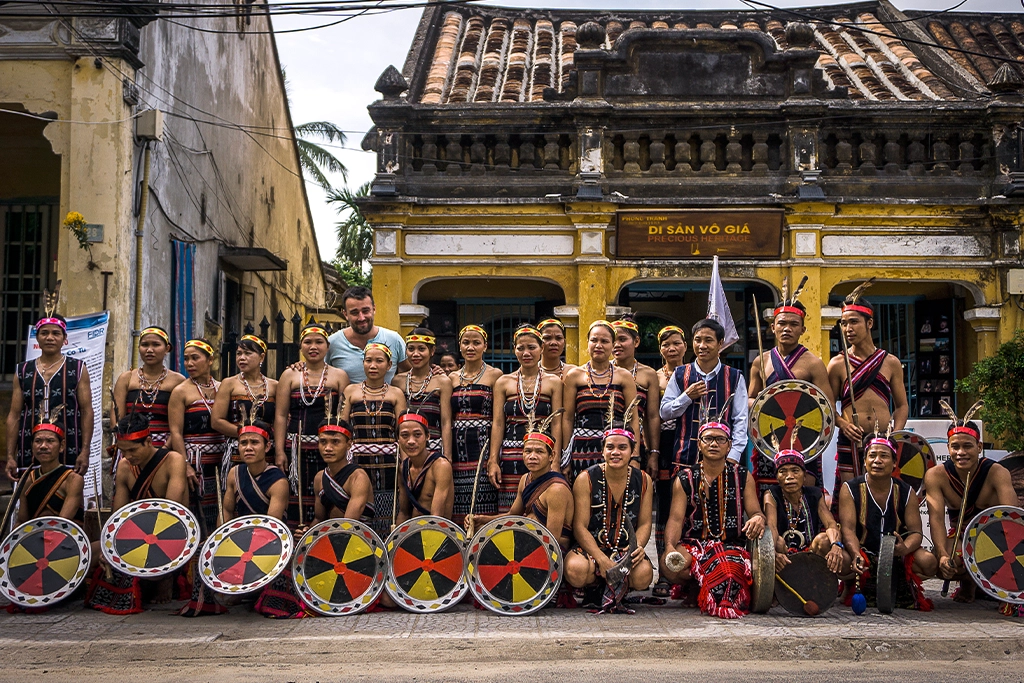
Our customized tours can seamlessly integrate a visit to the gallery with a trip to the actual villages of the Co Tu people in the nearby mountains. We take the stories from the museum walls and show you the living reality. Our guides are experts in local culture and can bridge the gap between the exhibits and the environment.
We handle all the logistics, ensuring you have comfortable transport and access to authentic local experiences that respect the communities. We can arrange a private viewing at the gallery followed by a guided cultural walk through the Ancient Town, connecting the dots of history, art, and people.
Contact Us to arrange a private tour. For immediate assistance, call +84 916 976 731 for a free consultation. Let us turn your appreciation of Vietnam’s heritage into an unforgettable journey.
>>> View more: Hoi An Tours & Private Luxury Experiences | Hoi An Unique Travel
FAQs About Precious Heritage Art Gallery Museum
What is the Precious Heritage Art Gallery Museum in Hoi An?
It is far more than a gallery—it is a cultural rescue mission. Created by acclaimed French photographer Réhahn, the museum houses a permanent, deeply moving exhibition of his portraits documenting all 54 of Vietnam’s ethnic tribes, displayed alongside their incredibly rare, authentic traditional costumes.
Is the Precious Heritage Art Gallery Museum worth visiting?
Absolutely. Even if you are not typically a “museum person,” this space will move you. It consistently ranks as one of the most profound cultural experiences in Hoi An. It strips away the tourist stereotypes and reveals the raw, diverse, and deeply human soul of Vietnam.
How much time do you need to visit the museum?
While the museum is not massive, the stories are dense. Most visitors spend a captivated 45 minutes to 1 hour exploring the five rooms. However, if you take the time to read the fascinating backstories of the tribes and watch the short documentary videos, you could easily spend up to 2 hours here.
Is there really no entrance fee to the gallery?
Yes, it is 100% free of charge. Réhahn firmly believes that the cultural heritage of Vietnam should be accessible to everyone, regardless of their budget. If you wish to support the project, you can purchase fine art prints, postcards, or coffee table books at the gallery shop, which helps fund his “Giving Back” initiatives for the tribes.
Recent Posts






Our Associations


Our Awards








