Popular Tours






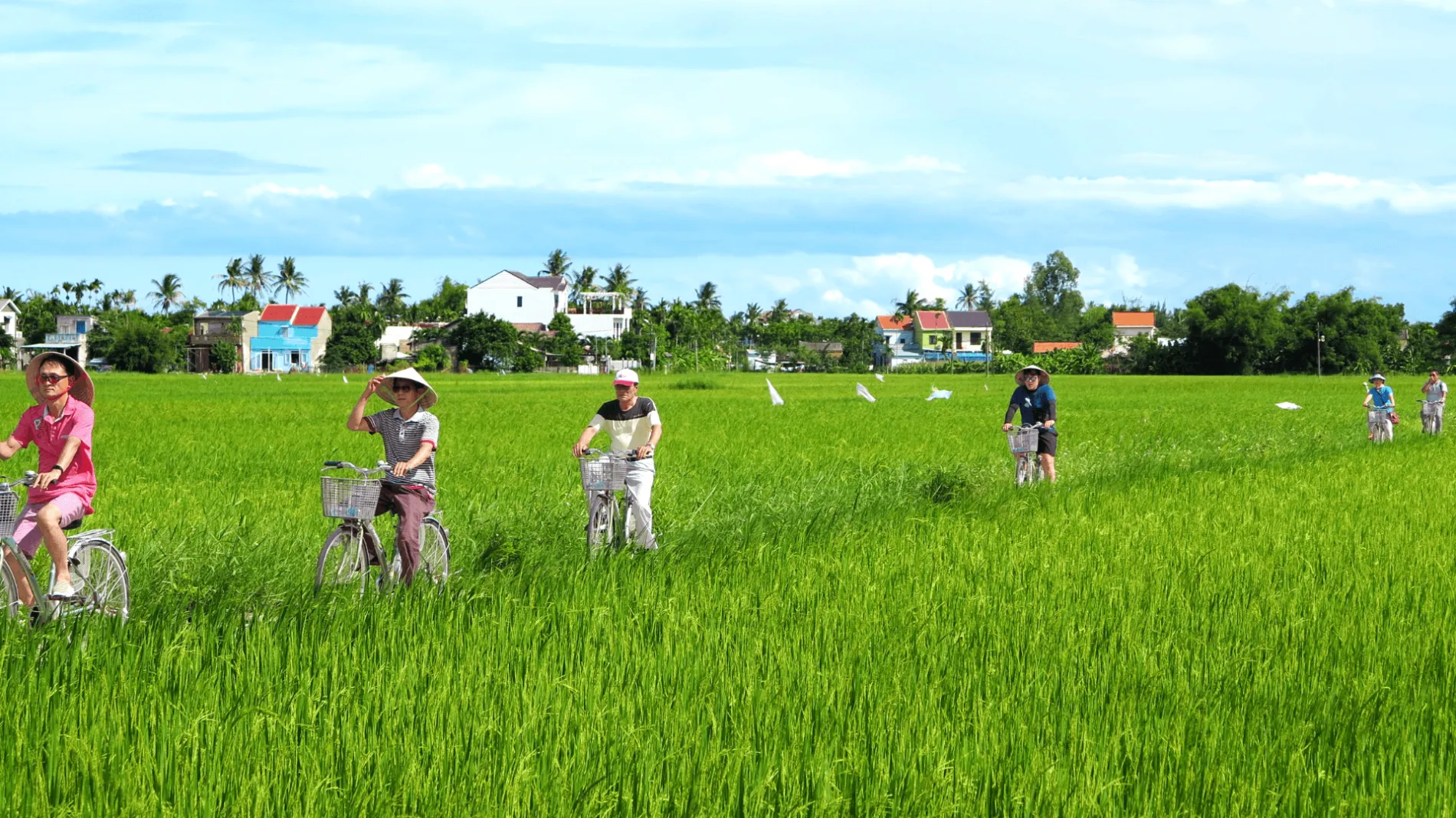
The gentle hum of bicycle tires spinning along narrow dirt paths offers a rhythm that matches the slow, deliberate pace of Central Vietnam. Leaving the lantern-lit alleys of the Ancient Town behind, an entirely different world opens up, filled with emerald rice paddies, serene waterways, and quiet artisan villages. Finding the perfect Hoi An cycling route transforms a standard vacation into an immersive journey. With Hoi An Unique Travel, travelers discover hidden corners of the countryside where authentic daily life remains untouched by the crowds.
Why Hoi An Is One of Vietnam’s Best Cycling Destinations?
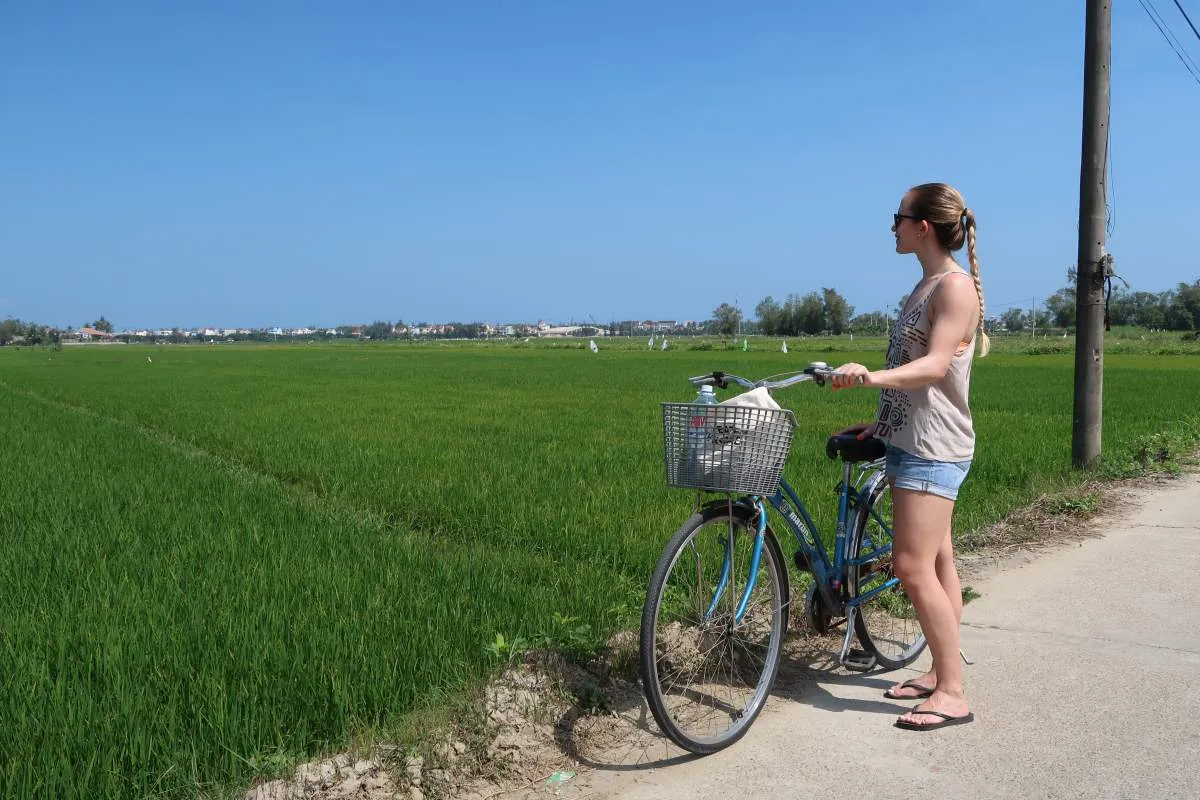
The geography of Central Vietnam makes this historic trading port exceptionally suited for exploration by bicycle. Unlike the steep mountainous regions of the north or the chaotic urban sprawl of major cities, the terrain here is largely flat and forgiving. Paved village lanes quickly give way to narrow concrete paths winding through active farmland, creating the perfect foundation for any Hoi An cycling route.
Riding a bike here allows you to bridge the gap between structured tourism and spontaneous local interactions. When exploring the different cycle routes around Hoi An, you will quickly discover how closely connected the rural landscapes are to the town center. You can easily transition from admiring centuries-old heritage architecture to watching water buffalos graze within just fifteen minutes.

Pedaling through these environments provides a sensory experience impossible to replicate from the window of a car. You feel the cool breeze coming off the Thu Bon River, smell the distinct aroma of roasting rice paper, and hear the cheerful greetings of farmers tending to their crops. It is this intimacy with the environment that defines the local cycling experience.
Best Cycle Routes Around Hoi An
Selecting the perfect Hoi An cycling route depends entirely on the kind of scenery you want to absorb. The landscape surrounding the ancient town is remarkably diverse, offering a soothing mix of salty coastal breezes, dense palm forests, and quiet agricultural hubs. Whether you are looking for a short morning ride or a full-day adventure, here are the most rewarding cycle routes around Hoi An for an unforgettable exploration.
| Route | Distance | Difficulty | Best for | Duration |
| Tra Que | 6 km | Easy | Families | 1–2 hrs |
| An Bang Beach | 8 km | Easy | Beach lovers | 2 hrs |
| Cam Thanh | 10 km | Easy | Nature | 2–3 hrs |
| Cam Kim | 15 km | Easy–Moderate | Culture | Half day |
| Kim Bong | 16 km | Easy | Craft villages | Half day |
Tra Que Vegetable Village cycling route
Heading just a few kilometers north of the ancient town brings you to a quiet agricultural island bounded by the De Vong River. As one of the most accessible options for a Hoi An cycling route, the paths here weave smoothly through immaculate grids of organic herb gardens. You will share these narrow lanes with local farmers carrying traditional bamboo watering cans balanced perfectly on their shoulders. The riding is remarkably flat, making it an ideal choice for a relaxed morning outing before the midday heat sets in.
To help you plan your visit, here are the practical details for exploring the gardens:
- Address: Tra Que Village, Cam Ha Commune, Hoi An City
- Opening Hours: 7:00 AM – 5:00 PM daily
- Entrance Fee: 35,000 VND (approximately $1.50 USD) per person
- Distance from Hoi An Ancient Town: Approximately 3 km (15–20 minutes by bicycle)
- Difficulty: Easy – flat village roads suitable for all fitness levels.
- Highlights: Organic vegetable gardens, traditional farming activities, peaceful countryside scenery, and opportunities to interact with local farmers.
>>> View more: Hoi An Bike Rental Guide: Price, Types & Where to Rent

An Bang Beach Cycling Route
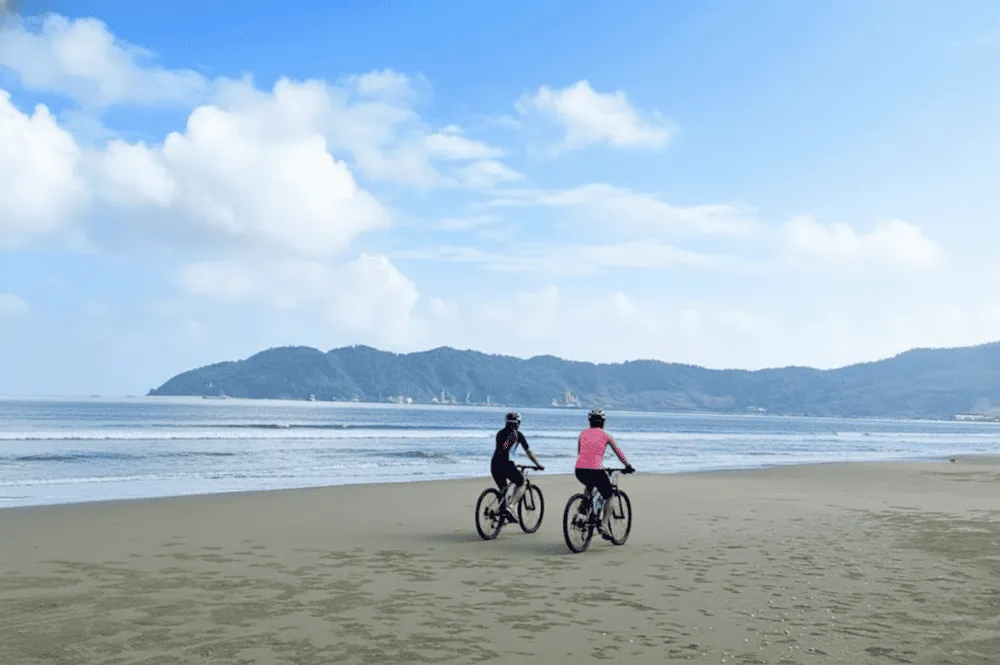
Following Hai Ba Trung street straight toward the ocean is the most direct path, but the real charm of this Hoi An cycling route lies in taking the smaller parallel backroads. Winding through the residential areas of Cam An reveals a quiet coastal community lifestyle. The ride culminates at the white sands of the coastline, where you can park your bike under the shade of casuarina trees and dive into the East Sea for a refreshing swim.
To ensure a smooth trip to the coast, keep these practical details in mind:
- Address: End of Hai Ba Trung Street, Cam An Ward, Hoi An City
- Opening Hours: Open 24 hours (Lifeguards are generally on duty from dawn until dusk)
- Entrance Fee: Free admission (Bicycle parking typically costs 10,000 VND, or roughly $0.40 USD)
- Distance from Hoi An Ancient Town: Around 4 km (20–25 minutes).
- Difficulty: Easy – paved roads with light local traffic.
- Highlights: Coastal scenery, fishing villages, beach cafés, and a refreshing swim after your ride.


Cam Thanh Coconut Village Route
Riding east toward the river delta introduces a drastic shift in the landscape. The paths transition into shaded trails enveloped by towering nipa palms and dense water coconut groves. This Hoi An cycling route requires navigating a few small bridges over tidal channels. The reward is a lush, tropical atmosphere where you can watch fishermen casting nets from traditional bamboo basket boats.
Plan your ride to the coconut groves with these essential details:
- Address: Cam Thanh Commune, Hoi An City
- Opening Hours: 7:00 AM – 5:00 PM daily (for basket boat activities and village exploration)
- Entrance Fee: 30,000 VND (approximately $1.20 USD) for the general village entry ticket
- Distance from Hoi An Ancient Town: Approximately 5 km (25–30 minutes).
- Difficulty: Easy to Moderate – mostly flat roads with a few narrow bridges.
- Highlights: Nipa palm forest, basket boats, peaceful waterways, and local fishing life.
Cam Kim Island Cycling Route
Choosing this Hoi An cycling route involves crossing the steel bridge over the Thu Bon River, taking you to an island that feels decades removed from the bustling ancient town. This remains one of the most authentic cycling Hoi An routes available to travelers. The roads here are quiet, framed by massive banyan trees and ancestral family shrines. Riding deep into the island reveals vast stretches of mat-weaving villages and cornfields stretching down to the riverbanks.
Here is what you need to know before crossing the river:
- Address: Cam Kim Commune, Hoi An City
- Opening Hours: Open 24 hours (Best explored between 6:00 AM and 4:30 PM for optimal lighting)
- Entrance Fee: Free admission (Local artisans always appreciate small purchases from their family workshops)
- Distance from Hoi An Ancient Town: Around 6 km (30–40 minutes).
- Difficulty: Easy – quiet countryside roads with very little traffic.
- Highlights: Traditional craft villages, riverside landscapes, ancient banyan trees, and authentic rural communities.
Kim Bong Carpentry Village cycling route
Situated on the eastern edge of Cam Kim Island, this specific cycle route Hoi An focuses on the rich artisanal heritage of the region. As you pedal closer to the village center, the scent of fresh wood shavings fills the air. The paths run directly past open-air workshops where master craftsmen carve intricate wooden furniture and build traditional wooden fishing vessels using techniques passed down through generations.
Practical information for visiting the carpentry workshops:
- Address: Trung Ha Hamlet, Cam Kim Commune, Hoi An City
- Opening Hours: 7:00 AM – 5:00 PM (Visiting during morning hours ensures you catch the artisans at work)
- Entrance Fee: Free admission (Buying small wooden souvenirs directly supports the craft village)
- Distance from Hoi An Ancient Town: Approximately 7 km (35–40 minutes).
- Difficulty: Easy – mostly paved village roads.
- Highlights: Traditional woodworking workshops, wooden boat building, artisan demonstrations, and handmade souvenirs.

How to Choose the Right Cycling Route in Hoi An
Crafting your ideal Hoi An cycling route should align with your physical comfort, interests, and the time of day. Morning riders looking for soft light and active local markets should head toward the agricultural villages. Those seeking a leisurely afternoon ride with a sunset finale will find the coastal paths highly rewarding.
Deciding on a cycle route Hoi An also means considering the terrain. While most paths are flat, some rural trails through the river delta include loose gravel or narrow elevated concrete strips between rice paddies. Always match your comfort level on a bike with the infrastructure of the path you plan to take.
To make your planning easier, here is a quick breakdown of which cycle routes around Hoi An suit different travel styles:
- Best for Families: The short, flat, and fully paved ride to Tra Que Vegetable Village offers safe, traffic-free lanes perfect for younger riders.
- Best for Cultural Immersion: Crossing over to Cam Kim Island drops you right into the heart of traditional mat-weaving and wood-carving communities.
- Best for Nature and Photography: The winding trails through Cam Thanh Coconut Village provide stunning backdrops of dense water palms and local fishermen.
- Best for Relaxation: Taking the quiet residential backroads through Cam An directly to An Bang Beach ends perfectly with an ocean swim.

Hoi An Cycling Route Map and Distances
Understanding the scale of the area is essential for planning a comfortable itinerary. Visualizing a Hoi An cycling route map reveals just how well-connected the countryside actually is, allowing you to easily link different areas or stick to a specific zone depending on your daily energy levels.
Short Routes (Under 10 km)
These quick rides are perfect for casual riders or families traveling with younger children. You spend more time observing the destination than actually pedaling.
Excellent options for a short cycle route Hoi An include the leisurely 3-kilometer ride from the Ancient Town to Tra Que Vegetable Village. Another flat, easy journey is heading west along the river to Thanh Ha Pottery Village, a gentle 4-kilometer round trip that weaves smoothly through quiet residential neighborhoods.
Half-Day Routes (10–20 km)
Covering a bit more ground allows you to combine two distinct landscapes. This distance requires a moderate fitness level and a few planned stops for hydration and rest.
A highly recommended Hoi An cycling route combines the shady trails of Cam Thanh Coconut Village with a breezy ride up the coast to An Bang Beach, forming a scenic 15-kilometer loop. Alternatively, exploring the serene riverfront paths around Cam Nam Island offers a peaceful 10-kilometer circuit away from major traffic.

What You Will See Along Hoi An Cycling Routes
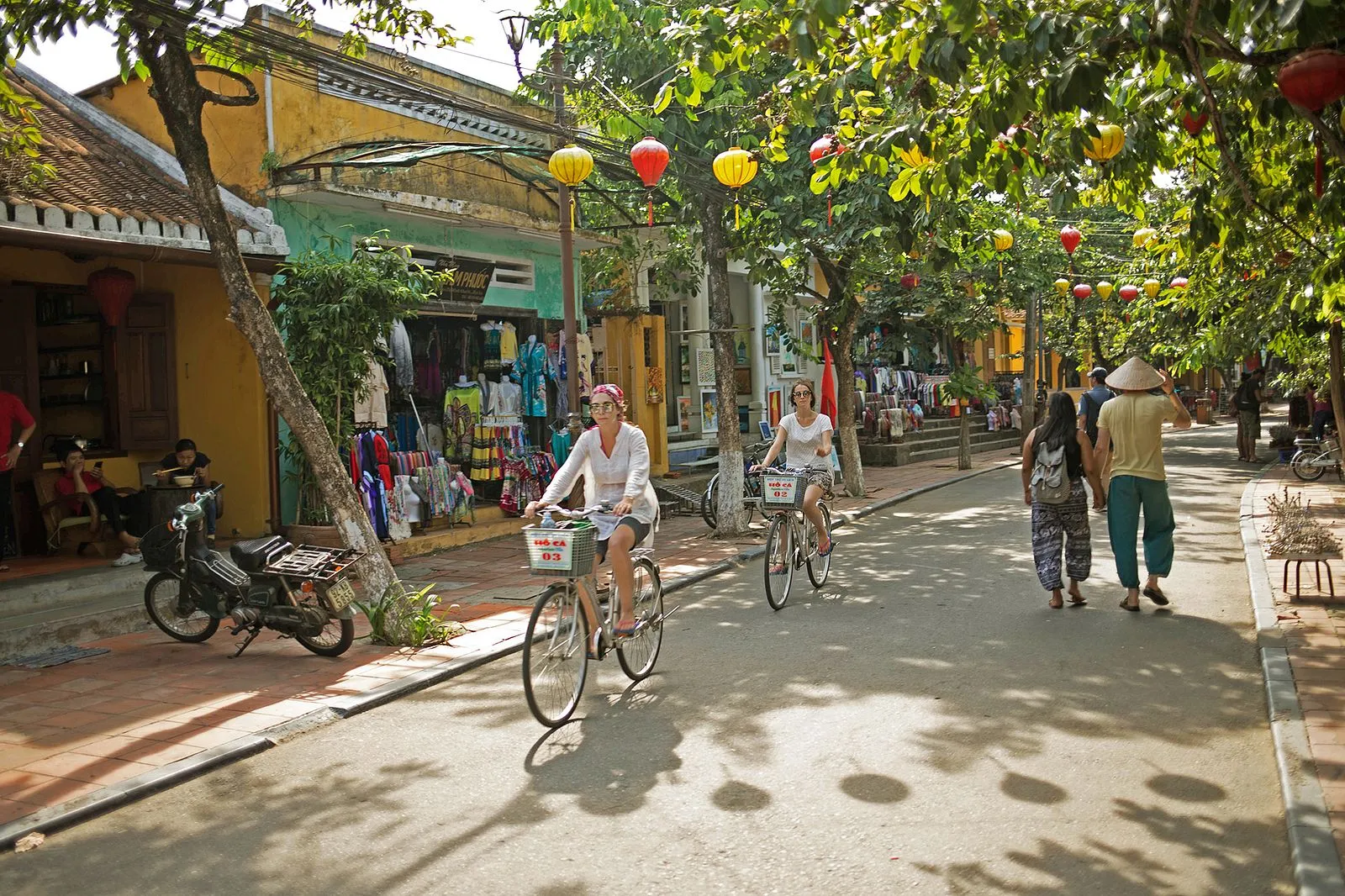
The visual tapestry of the surrounding villages is constantly changing. Along any given path, you might encounter massive flocks of ducks being herded across the road or farmers drying rice on broad woven mats in the sun. Small, ornate family temples dot the landscape, adding vivid splashes of yellow and red against the green fields.
Every turn offers a glimpse into domestic life. You will ride past open-front homes where families gather for meals, small neighborhood cafes serving iced coffee, and children biking their way home from school. These unscripted moments define the magic of exploring the area on two wheels.
>>> View more: Eco-Luxury Son Tra Peninsula Tour: Deep Sea Fishing & Sashimi
Where to Rent a Bicycle in Hoi An
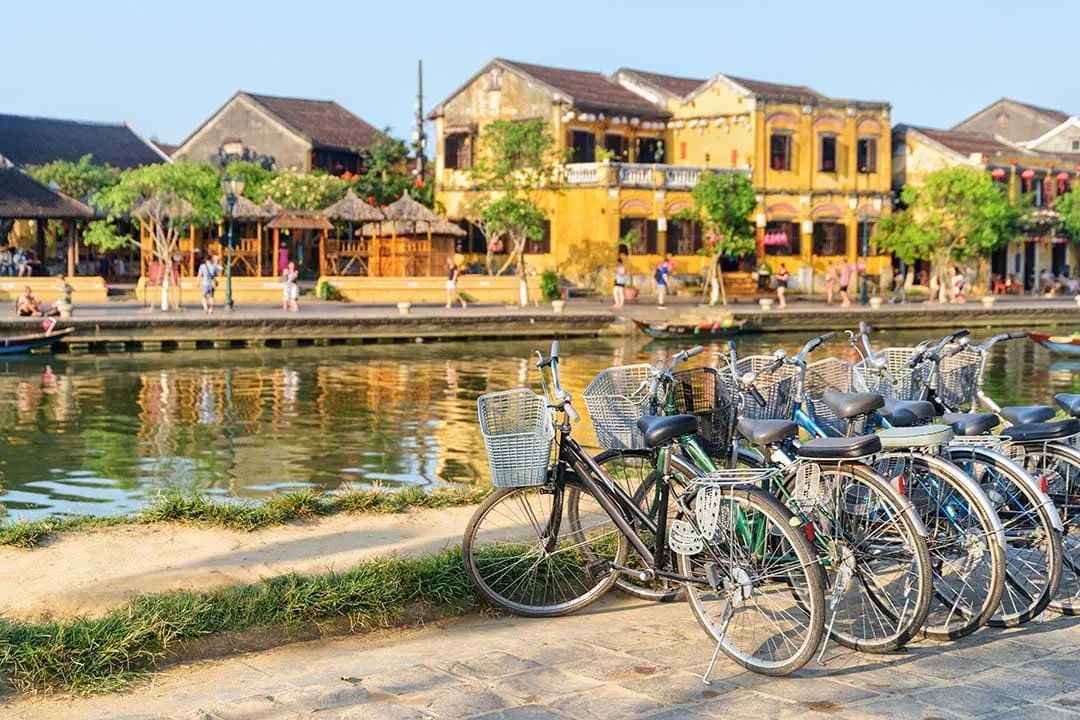
Acquiring a bike is incredibly straightforward. Most boutique hotels and premium homestays offer complimentary bicycles for their guests. These are typically comfortable city cruisers equipped with a front basket, perfectly adequate for short trips around the paved village lanes.
If your accommodation does not provide bicycles, or if you simply prefer to support small community businesses before embarking on a Hoi An cycling route, the town is filled with family-run rental shops. Renting directly from locals is budget-friendly and adds an authentic touch to your journey. Here are a few highly rated local establishments:
- Ms. Hong’s Shop (286 Nguyen Duy Hieu Street): Known for well-maintained bikes and a hassle-free process that typically requires no deposit. They even offer charming accessories for those wanting to capture vintage-style travel photos. (Reference price: 23,000 VND / ~$0.95 USD per day)
- Ms. Phong’s Rental (1 Le Loi Street): Centrally located near the old town, the experienced owner takes pride in helping travelers select the perfect bicycle based on their specific comfort needs and planned distance. (Reference price: 25,000 VND / ~$1.00 USD per day)
- Ms. Nguyen Thi Kim Loan (129 Tran Hung Dao Street): Beyond offering reliable bicycles for daily or monthly use, the staff here provides excellent local insights, making it a great stop if you need route recommendations before heading out. (Reference price: 23,000 VND / ~$0.95 USD per day)
- Uncle Canh’s Shop (115 Ba Trieu Street): A beloved local fixture. Uncle Canh often shares valuable advice and can even arrange local guiding services for a deeper cultural exploration. (Reference price: 23,000 VND / ~$0.95 USD per day)


What to Bring for Cycling in Hoi An
Exploring Hoi An by bicycle is most enjoyable when you come prepared for the tropical climate and rural conditions. Packing a few essentials will help you stay comfortable throughout your ride, whether you are cycling to the beach, through rice fields, or into the surrounding villages.
- Refillable Water Bottle: Stay hydrated, especially during warmer months when temperatures can rise quickly after mid-morning.
- Sunscreen: Apply a high-SPF sunscreen before setting out and reapply during longer rides.
- Sunglasses: Protect your eyes from strong sunlight, dust, and insects along countryside roads.
- Hat or Helmet: A cycling helmet is recommended for safety, while a lightweight hat can provide additional sun protection during breaks.
- Phone Holder: A secure phone mount makes it easier to follow navigation apps without stopping frequently.
- Small Cash: Carry Vietnamese Dong for entrance fees, bicycle parking, refreshments, or purchases from local vendors.
- Rain Poncho: During the rainy season (September to December), a lightweight poncho is useful for sudden tropical showers.
Cycling Safety Tips for Cycling in Hoi An
Hoi An is one of Vietnam’s most bicycle-friendly destinations, but following a few basic safety practices will help ensure a smooth and enjoyable ride through both the Ancient Town and the surrounding countryside.
- Ride Single File: On narrow village roads, cycle in a single line to leave space for local traffic to pass safely.
- Watch for Motorbikes: Be alert at small intersections and side lanes where motorbikes may enter unexpectedly.
- Slow Down in Busy Areas: Reduce your speed when passing schools, local markets, and residential neighborhoods with pedestrians.
- Avoid Riding After Heavy Rain: Some rural paths, small bridges, and concrete lanes can become slippery following rainfall.
- Use Lights Near Sunset: If you plan to return in the late afternoon or early evening, switch on bicycle lights and wear visible clothing to improve safety.
- Respect Local Traffic: Yield to larger vehicles such as farm equipment and avoid blocking narrow roads while stopping for photographs.
Best Time for Cycling in Hoi An
The best months for cycling in Hoi An are February to April, when temperatures are mild, rainfall is low, and the rice fields are lush green. During summer, ride before 9:00 AM or after 3:30 PM to avoid the strongest heat. The rainy season from October to December can still be enjoyable, but some countryside routes may become slippery or temporarily flooded after heavy rain.
Hoi An Cycling Tours with Hoi An Unique Travel
Navigating the hidden backroads independently is entirely possible, but joining a curated experience elevates the journey. Our dedicated local experts have spent years charting out the ultimate Hoi An cycling route options, ensuring you easily bypass congested traffic and discover the most pristine, untouched landscapes.

Booking a guided Hoi An cycling route experience with Hoi An Unique Travel guarantees you are engaging in responsible tourism. We partner directly with local artisans, farmers, and families along our paths. Our knowledgeable guides provide rich historical context, facilitate genuine conversations with locals, and ensure your adventure is both physically comfortable and culturally enriching.
>> View more:
- Eco-Luxury Hoi An Cycling Tour: Cam Thanh & Organic Farm
- Hoi An Tours & Private Luxury Experiences | Hoi An Unique Travel
Frequently Asked Questions About Hoi An Cycling Route
Can you cycle around Hoi An without a guide?
Yes, the area is very safe and generally easy to navigate for independent travelers. GPS applications work reliably in most villages. However, going without a guide means you might miss the historical context, hidden shortcuts, and opportunities to interact meaningfully with local craftsmen.
Is Hoi An suitable for beginner cyclists?
The flat topography makes it an excellent destination for beginners. The roads in the countryside are mostly paved and free from heavy vehicular traffic. As long as you are comfortable balancing on a bike, you will find the environment very forgiving and relaxing.
What is the best time of year for cycling in Hoi An?
The dry season, running from February through July, provides the most favorable conditions. The months of February to April are particularly spectacular, offering mild temperatures, lower humidity, and vibrant green rice fields ready for harvest.
Where can I rent a bicycle in Hoi An?
Almost all accommodations provide bicycles, often free of charge. For high-quality mountain bikes or specialized gear, several dedicated rental shops are located just outside the pedestrian zone of the Ancient Town, offering daily rates that are very affordable.
Recent Posts






Our Associations


Our Awards








