Popular Tours






Hoi An’s Old Town is full of lantern stalls, silk shops, and souvenir stands — which is exactly the problem. When everything looks handmade and everyone says theirs is the real thing, it’s hard to tell what’s actually worth buying versus what’s marked up for the tourist crowd. Here’s what to look for, and the one strategy that solves the authenticity question directly: buying at the source.
Lanterns: the iconic Hoi An souvenir
Silk lanterns over a bamboo frame are Hoi An’s signature item, and small foldable versions pack easily for the trip home. Prices for small lanterns typically run around 50,000–100,000 VND, with medium-to-large sizes closer to 150,000–250,000 VND — handcrafted silk or custom designs cost more. Check the bamboo frame itself before buying: a well-made one holds its shape and folds cleanly, while a cheaper one feels flimsy at the joints.
The authenticity shortcut: join a lantern-making workshop and make one yourself rather than buying one off a stall. You leave with something you know is genuine, made with your own hands, rather than guessing at a shop’s sourcing. Hoi An Unique Travel’s Lantern Making at Tra Que Village tour includes exactly this — a guided lantern-making session with local craftsmen as part of a countryside day, which solves the “is this really handmade” question by having you make it yourself.

Ceramics and pottery
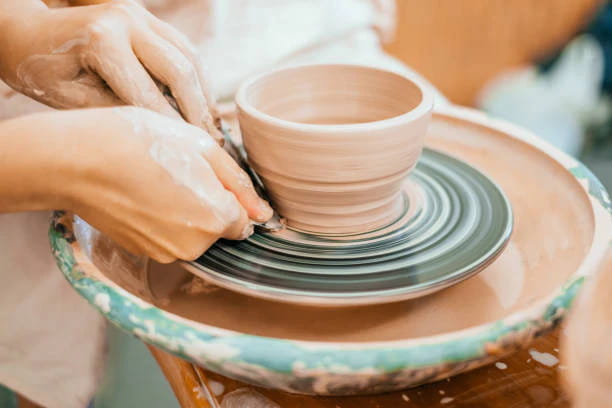
Thanh Ha Pottery Village, just outside Hoi An itself, is the region’s actual pottery source — a working village with generations of ceramic tradition, not a souvenir shop dressed up to look like one. Prices for pottery pieces vary widely by size and complexity, from simple pieces to more elaborate decorative work.
The authenticity shortcut: Hoi An Unique Travel’s Handicraft: Tra Nhieu Village by Bike & Boat Trip stops at Thanh Ha Pottery Village directly, alongside Kim Bong Carpentry Village and Tra Nhieu’s mat-weaving craft — buying at any of these stops means you’re purchasing from the village that actually makes the item, not a retail shop that may or may not have sourced it there.
Silk and tailor-made clothing
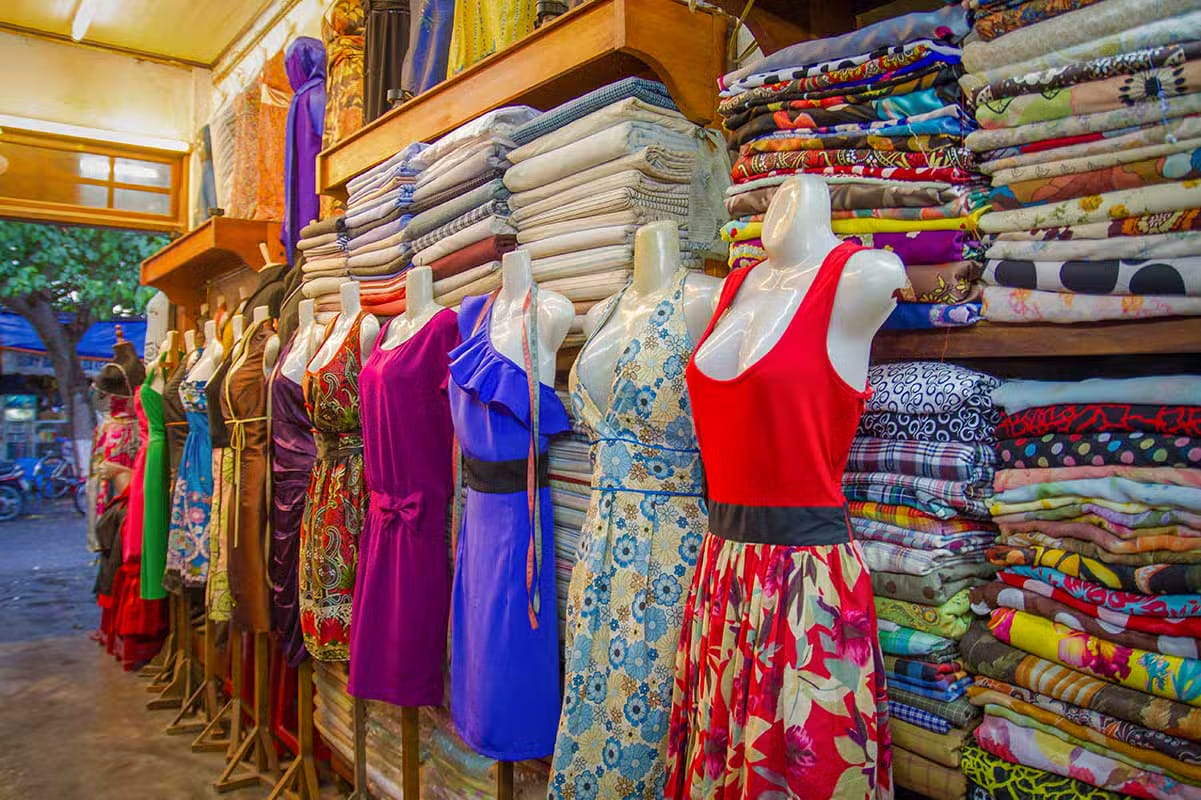
Hoi An has a strong reputation as a tailoring destination — fast turnaround, relatively affordable custom clothing, and a long tradition of silk work. The Cloth Market and Hoi An Silk Village are commonly recommended for silk fabric and finished pieces specifically, where you can also see artisans weaving using traditional methods.
What to watch for: tailoring quality and turnaround time vary significantly between shops, and this isn’t something Hoi An Unique Travel’s tours cover directly — if a custom piece matters to you, it’s worth asking your guide or hotel for a specific recommendation rather than picking the first shop you pass.
Coffee, snacks, and edible souvenirs
Vietnamese coffee is one of the easiest souvenirs to bring home — affordable, lightweight, and something you’ll actually use. Hoi An Central Market is a good source for this alongside fresh produce, herbs, and local specialties like the ingredients for Cao Lau or White Rose dumplings, if you want to try recreating a dish at home.
Where to actually shop
Tran Phu Street is the oldest street in the Old Town and the densest concentration of lantern shops, tailors, and art galleries in one place — this is where you’ll find the highest density of heritage buildings alongside the shopfronts. Lantern stalls here and on the parallel Le Loi, Nguyen Hue, and Nguyen Thai Hoc streets carry the widest range of shapes and sizes, from small foldable ones to larger decorative pieces.
Nguyen Thai Hoc Street specifically has developed into Hoi An’s more upscale shopping street — original art, designer pieces, and social-enterprise craft shops selling textiles and homewares made by disabled artisans. Prices here tend to be fixed rather than negotiable, and bargaining is generally considered out of place in the galleries and higher-end boutiques along this street, unlike the more typical bargaining culture elsewhere in town.
Bach Dang Street, running along the river, is worth the walk for its own cluster of lantern shops — Chau Thuong and Bach Dang in particular are known locally as “lantern streets” for their bow-shaped layout, which looks striking once the lanterns are lit in the evening.
Hoi An Central Market, near the Thu Bon River, is the town’s main traditional marketplace — fresh goods in the morning, but also fabric stalls, handicrafts, and ready-made souvenirs throughout the day.
Nguyen Hoang Night Market, across the An Hoi Bridge, comes alive in the evening — around 50 stalls along a short stretch of pedestrian street, selling lanterns, handmade crafts, silk, clothing, and street food, with the riverside setting adding to the atmosphere once the lanterns are lit and reflecting on the water. Bargaining is normal and expected here, unlike the fixed-price boutiques on Nguyen Thai Hoc.
Thanh Ha Pottery Village, about 3km outside the Old Town, is a different kind of shopping trip entirely — a working ceramics village with more than 500 years of history, where you’re buying directly from the source rather than a retail shop. This is the stop covered by Hoi An Unique Travel’s craft village tour, and the most direct way to combine buying pottery with actually seeing it made.
Why a craft village tour solves the authenticity worry better than shopping alone
The actual answer to “how do I know I’m not buying something overpriced or fake” is buying directly from the place that makes it. A guided craft village tour takes you to Thanh Ha Pottery Village, Kim Bong Carpentry Village, and similar working communities as part of the day’s itinerary — you see the item made, understand what goes into it, and buy (if you choose to) with a much clearer sense of what you’re actually paying for than you’d get browsing an Old Town shop with no context.
View more: Hoi An Tours & Private Luxury Experiences | Hoi An Unique Travel
Tips for shopping without overpaying or getting a fake
Know which streets bargain and which don’t before you start. Fixed-price boutiques on Nguyen Thai Hoc treat haggling as out of place, while the Night Market and most Tran Phu stalls expect it — walking into the wrong context with the wrong approach either wastes money or comes across oddly.
Check the bamboo frame on a lantern before you pay, not after. A well-made frame holds its shape and folds cleanly at the joints; a cheap one feels loose or flimsy the moment you handle it.
Compare a few shops before committing to a tailoring order. Turnaround and quality vary meaningfully between tailors, and a rushed same-day decision is harder to reverse than with a small souvenir.
Bring small cash, especially at the Night Market and Central Market. Card acceptance is inconsistent at stalls, and having exact or small bills makes bargaining smoother than breaking a large note.
If authenticity matters more than convenience, prioritize the craft village over the Old Town shop. Buying pottery at Thanh Ha or a lantern you made yourself removes the guessing entirely — worth the extra half-day if it’s the one souvenir you actually care about getting right.

Frequently asked questions
What’s the most iconic single souvenir to bring home from Hoi An?
A silk lantern — it’s the item most associated with the town specifically, and small versions pack easily.
Is it worth making my own lantern instead of buying one?
If the “is this actually handmade” question matters to you, yes — a lantern-making tour removes the doubt entirely since you’re the one making it.
Where can I buy pottery directly from where it’s made?
Thanh Ha Pottery Village, just outside Hoi An — a craft village tour that stops there is the most direct way to buy at the source.
Is Hoi An a good place for custom tailoring?
It has a strong reputation for it, with relatively fast turnaround — but quality varies by shop, so a specific recommendation from your guide or hotel is worth asking for.
What’s the difference between the Central Market and the Night Market?
Central Market runs through the day and covers fresh goods alongside handicrafts and fabric; the Night Market is an evening-specific, more festive setting focused on lanterns, street food, and souvenir stalls.
Recent Posts






Our Associations


Our Awards








