Popular Tours






Amidst the heritage yellow walls and the gentle flow of the Thu Bon River lies the vibrant, beating heart of the ancient town. This is a place where the scent of star anise mingles with the vivid colors of fresh silk, offering a sensory journey like no other. In this article, let’s discover the bustling energy and hidden treasures of the Hoi An Market.
Must Knows: Hoi An Market Survival Guide
Before you dive into the colorful chaos, here is a quick snapshot of what you need to know:
- Location: Located on the eastern edge of the Ancient Town, just a scenic 15-minute walk from the Japanese Covered Bridge.
- Best Time to Visit: Arrive early! 5:00 AM – 7:00 AM to see the authentic wet market and fishmongers, or 11:00 AM for an early lunch at the food court.
- Key Zones: The market is divided into three main areas: the Wet Market (fresh produce/seafood), the Food Court (local dishes), and the Cloth Market (silk and tailors).
- The Golden Rule of Bargaining: Always start with a smile. It is a friendly negotiation, not a battle. Start by offering 60-70% of the initial price.
A Sensory Experience Inside the Bustling Hoi An Market
Step through the grand yellow archway of the Central Market, and you are instantly transported into a kaleidoscope of local life. The Hoi An Market is not just a commercial center; it is a living, breathing entity that has served as the town’s trading hub for centuries. Here, the energy is palpable, a chaotic yet harmonious symphony of haggling voices, clinking ladles, and the rustle of fresh produce.
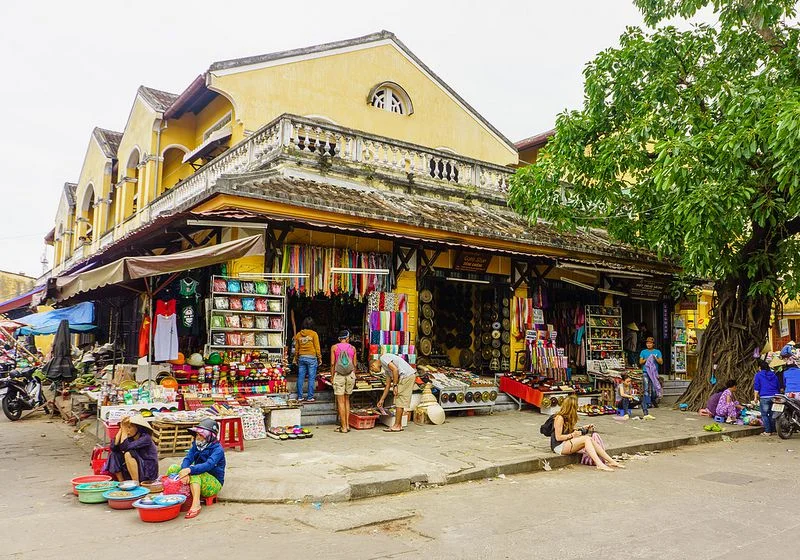
The market is divided into distinct zones, each offering a unique slice of Vietnamese culture. The outdoor section is a riot of color, with vendors displaying mounds of tropical fruits, fragrant herbs from the nearby Tra Que village, and buckets of live seafood fresh from the Cua Dai estuary. It is a photographer’s dream, capturing the raw, unfiltered essence of daily existence.
Unlike the curated souvenir shops that line the pedestrian streets, the market retains an authentic grit. It is where grandmothers come for their morning noodles and where fishermen drop off their catch at dawn. To visit here is to touch the real pulse of the town, far removed from the tourist facade.
>>> View more: Hoi An vs Hue: Which Heritage City Should You Visit in Vietnam?
Walking Distance from Japanese Bridge to Central Market
One of the greatest charms of Hoi An is its walkability. The town’s compact layout means that you can easily navigate between its most iconic landmarks without breaking a sweat. The Hoi An Market sits strategically on the eastern edge of the Ancient Town, acting as a bookend to the heritage zone.

From the Japanese Covered Bridge, the town’s most famous symbol located on the western end, the walk is a pleasant journey through history. The distance is approximately 1 kilometer (about 0.6 miles). This stroll takes you straight down Tran Phu Street, the main artery of Hoi An Ancient Town.
As you walk, you will pass by ancient assembly halls, heritage houses, and art galleries. At a leisurely pace, stopping to admire the architecture, the walk takes about 15 to 20 minutes. It is the perfect way to transition from the historical sightseeing of the bridge to the sensory immersion of the market.
How to Get to Hoi An Market by Boat or on Foot
Reaching the market is an adventure in itself, with routes that offer stunning views of the river and the town. Whether you prefer a scenic approach or a direct path, getting there is part of the experience.
Arriving by Sampan Boat
For a truly romantic arrival, consider taking a boat. The market is located right on the banks of the Thu Bon River, historically allowing merchant ships to offload goods directly. Today, you can hire a small wooden sampan from the An Hoi islet or near the Japanese Bridge.
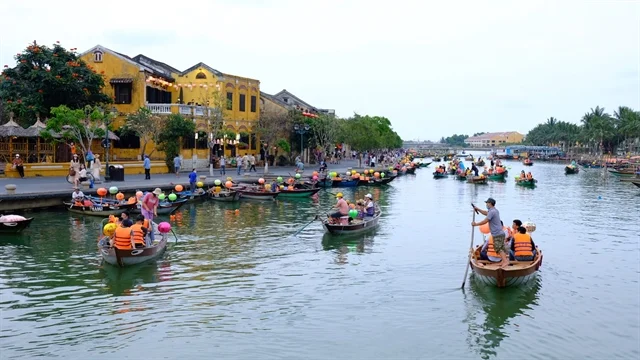
The boatman will row you down the river, offering a unique perspective of the yellow houses reflecting in the water. You can ask to be dropped off at the market dock. This approach allows you to enter the market from the “back,” straight into the bustling wet market section where the fish are sold.
Walking via the Riverside
If you prefer to stay on land, the riverside walk along Bach Dang Street is unbeatable. This route runs parallel to the river and is lined with cafes and boats. In the early morning, this street is teeming with activity as the market spills out onto the pavement.

Walking this way allows you to see the town waking up. You will see locals doing Tai Chi by the water and vendors setting up their stalls. It is a cooler, breezier alternative to the interior streets and leads you directly to the food court entrance of the market.
Best Time to Visit and Hoi An Market Opening Hours
Timing is everything when it comes to experiencing the market. The vibe shifts dramatically throughout the day, from the frenetic energy of dawn to the relaxed buzz of the afternoon.
2026 Visitor Guide
| Time of Day | Atmosphere | Best For |
| 5:00 AM – 7:00 AM | Chaotic, Authentic, Local | Photography, Buying Fresh Produce, Observing Local Life |
| 7:00 AM – 11:00 AM | Bustling, Lively | Breakfast, Coffee, Market Tours |
| 11:00 AM – 2:00 PM | Relaxed, Hot | Lunch in the Food Court, escaping the sun |
| 2: 00 PM – 6:00 PM | Quiet winding down | Shopping for souvenirs, Afternoon snacks |
| 6:00 PM – 7:00 PM | Closing | Last-minute food stalls (Food court closes early evening) |
The opening hours at Hoi An Market generally run from before dawn until early evening. However, the wet market is strictly a morning affair. If you want to see the fishmongers and vegetable wholesalers, you must arrive before 8:00 AM. By noon, the fresh produce section winds down, and the focus shifts to the food court and cloth market.
Beyond the Central Hub: Top 5 Markets in Hoi An to Explore
While the Central Market is undoubtedly the crown jewel of the town’s trading history, Hoi An is home to several other vibrant markets. Each offers a completely different vibe and caters to different needs. If you have the time, here are the top 5 markets you should add to your itinerary:
- 1. Hoi An Central Market: The iconic, yellow-walled hub located right on the riverside in the Ancient Town.
- Best for: Experiencing the legendary food court, commissioning custom tailored suits, and buying fresh spices.
- 2. Hoi An Night Market (Nguyen Hoang Street): As the sun sets, this market across the An Hoi bridge comes alive with hundreds of glowing lights.
- Best for: Buying hand-painted silk lanterns, shopping for souvenirs, and enjoying evening street food like grilled rice paper (Banh Trang Nuong).
- 3. Tan An Market (Tiger Market): Located a bit further out from the heritage zone, this is a purely local market untouched by mass tourism.
- Best for: Escaping the crowds, buying exotic tropical fruits at local prices, and observing the authentic, everyday life of Hoi An residents.
- 4. Thanh Ha Fish Market: Designed for the dedicated early birds. You need to arrive by 4:00 AM to witness the chaotic beauty of fishing boats unloading their night’s catch.
- Best for: Raw, documentary-style photography and experiencing the town’s most energetic wholesale seafood trade before the sun comes up.
- 5. Ba Le Market: A bustling neighborhood market nestled outside the main tourist drag.
- Best for: Discovering incredibly cheap and authentic street food breakfasts favored by the locals, completely free from the tourist markup.
Gastronomic Adventure at the Hoi An Central Market Food Court
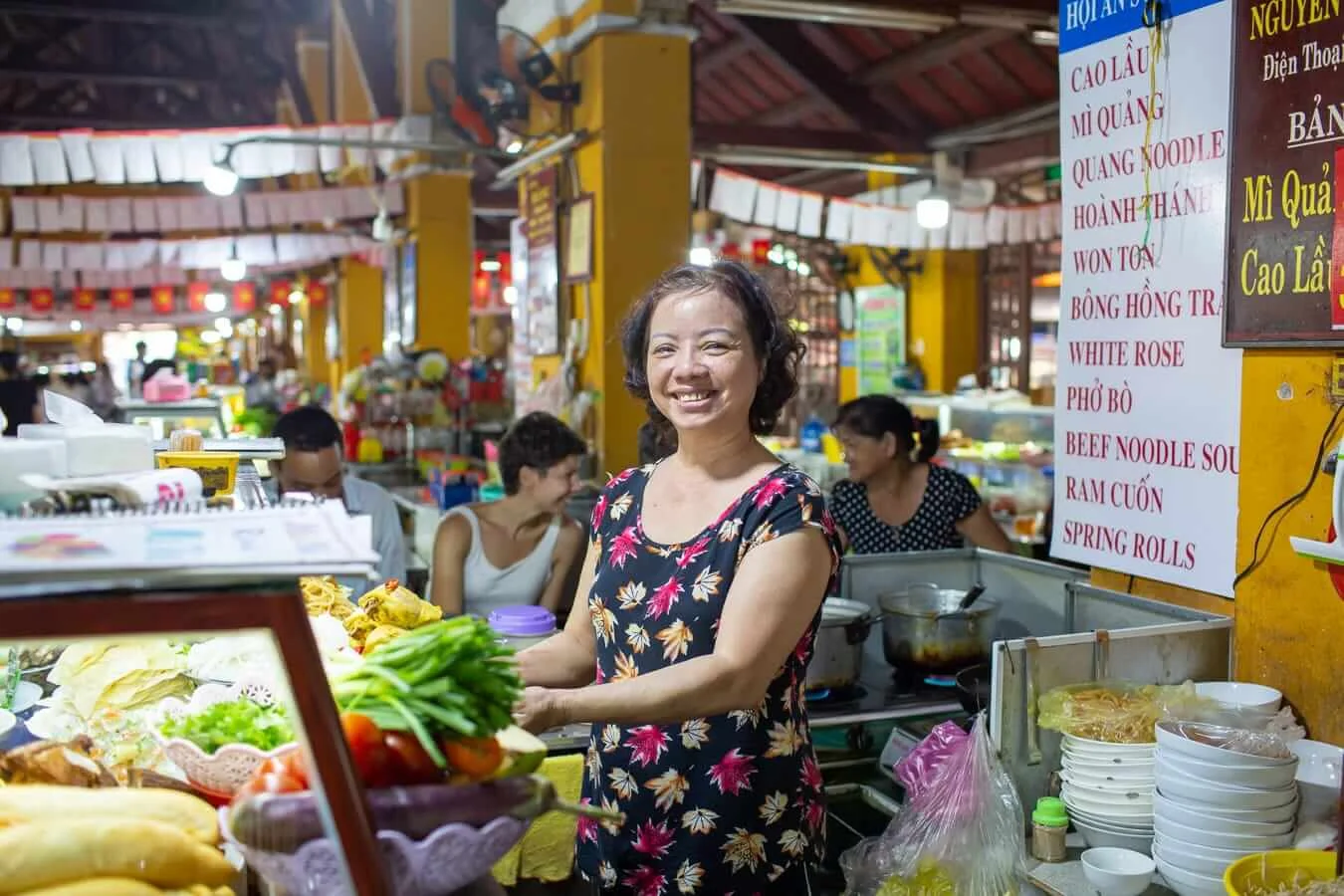
For food lovers, the absolute highlight is the dedicated food hall. This semi-outdoor space is a culinary temple, packed with rows of food stalls serving every local specialty imaginable. Below, we guide you through the must-try dishes and the vibrant atmosphere of the Central Market’s food court..
Must-Try Dishes from Cao Lau to Sweet Soups
The food court is the best place to sample authentic dishes at local prices. First on your list must be Cao Lau. This noodle dish is unique to Hoi An, featuring thick, chewy noodles, slices of roast pork, and fresh greens. The vendors here have been perfecting their broth for decades.

Next, try Mi Quang, a turmeric-infused noodle dish served with shrimp, pork, and a quail egg, topped with a crunchy rice cracker. It is a textural delight. For something lighter, look for White Rose Dumplings (Banh Bao Banh Vac), delicate shrimp dumplings shaped like flowers.
Do not leave without trying the dessert section. Che (sweet soup) is a Vietnamese staple. You will find colorful cups of Che Bap (corn sweet soup) or Che Dau Den (black bean sweet soup). They are sweet, refreshing, and the perfect end to a savory meal.
Explore the flavors of Vietnam through a signature Cooking Class Hoi An by Hoi An Unique Travel.
The Atmosphere of Communal Dining
Eating here is a communal experience. You sit on long benches or small plastic stools, often sharing table space with locals or other travelers. The chefs cook right in front of you, their hands moving in a blur as they assemble bowls of steaming goodness.
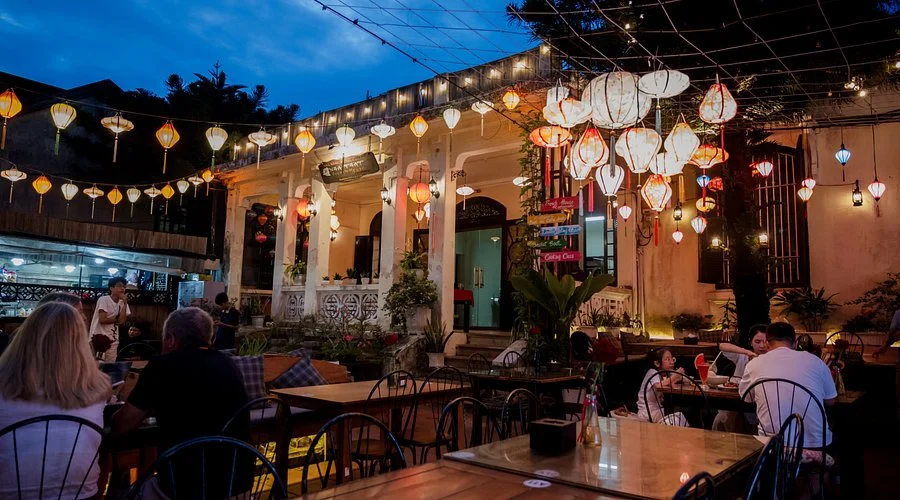
It is loud, it is hot, and it is incredibly fun. You can hop from one stall to another, creating your own tasting menu. The prices are fixed and displayed on signs, making it a hassle-free and affordable dining adventure.
Don’t miss the popular BBQ Tour Hoi An for a delicious local dining adventure.
From Silk to Suits: Navigating the Hoi An Cloth Market
Adjacent to the food court lies another treasure trove: the Hoi An cloth market. Hoi An is famous globally for its tailoring, and the market is the source of much of the fabric used in town.
Here, you will find aisle after aisle of textiles. Rolls of raw silk in every conceivable color stacked floor to ceiling. Beautifully patterned cottons, fine linens, and synthetic blends compete for your attention. It is a paradise for anyone interested in fashion or design.
You can buy fabric by the meter to take home, or you can commission a garment right there. Many stall owners are also skilled tailors or have connections to workshops. Having a dress or suit made inside the market is often faster and cheaper than at the high-end boutiques on the street, though the experience is more rustic.
How to Find the Best Tailors in Hoi An Market
While there are hundreds of tailors in town, the ones inside the market offer a unique experience. They are often the hidden gems, offering excellent craftsmanship without the high overheads of a storefront. Here are some highly recommended spots within and just around the market perimeter.
- Bao Khanh Silk: 101 Tran Hung Dao Street, Hoi An (Near the market entrance)
- A Dong Silk: 62 Tran Hung Dao Street, Hoi An (A short walk from the market)
- Thu Thuy Silk: 60 Le Loi Street, Hoi An (Accessible from the market area)
- Mr. Xe Tailor: Located inside the fabric section of the Central Market (Look for stall numbers in the 30s-40s range).
Overwhelmed by the choices? Finding a trustworthy tailor in a sea of options can be daunting. Let our expert local guides at Hoi An Unique Travel take you to the most reputable, hidden-gem tailors who guarantee quality without the tourist markup.
View more: The Ultimate Guide to Hoi An Night Market 2026
Shopping in Hoi An Market for Spices and Souvenirs
Beyond food and fabric, shopping in Hoi An market offers a chance to take a piece of Vietnam home with you. The spice section is particularly noteworthy.

You can buy vacuum-packed bags of local peppercorns, cinnamon bark from the Tra My region, and dried star anise. These make for fantastic, lightweight gifts for foodie friends back home. The vendors are knowledgeable and can explain the different grades of spices.
Souvenir hunters will also find plenty to browse. Look for the iconic conical hats (Non La), hand-painted lanterns, and bamboo handicrafts. Unlike the generic souvenir shops, the market often has stalls selling everyday items like ceramic bowls and stainless steel coffee filters (Phin), which are authentic and practical keepsakes.
Essential Tips for Bargaining and Shopping Etiquette
The market is a place of commerce, and negotiation is part of the game. To ensure a positive interaction, there are some unwritten rules to follow.
The Art of the Smile
Bargaining in Vietnam should be a friendly social interaction, not a battle. Always start with a smile. If a vendor quotes a price, you can politely counter-offer with about 60-70% of that amount. Work your way to a middle ground that both parties are happy with.

If you cannot agree on a price, simply smile, say “thank you,” and walk away. Often, this is the most effective bargaining tactic, and the vendor may call you back with a better offer. Getting angry or raising your voice is considered a loss of face and will not help you get a discount.
The Morning Purchase Ritual
Vietnamese vendors are very superstitious about their first customer of the day. If you are the first person to buy from them in the morning, they believe it sets the luck for the rest of the day.
This means you can often get a great “morning price” discount. However, it also means you should not haggle too aggressively or walk away after negotiating early in the morning, as this is considered bad luck. If you ask for a price at 7:00 AM, be prepared to buy.
Why Explore Local Markets with Hoi An Unique Travel?
The Hoi An Market can be overwhelming for the first-time visitor. The noise, the heat, and the language barrier can make it hard to dive deep. Hoi An Unique Travel transforms this chaos into a curated cultural experience.
Our local guides are experts at navigating the labyrinth. They don’t just show you the stalls; they introduce you to the vendors they have known for years. They can help you identify the weird and wonderful fruits you have never seen before and translate your questions about the ingredients.
We turn a shopping trip into a culinary lesson. We help you select the best spices and show you how to use them. We guide you to the safest and most delicious food stalls, ensuring you taste the best Cao Lau without worrying about hygiene.
We can also assist with the daunting task of tailoring. Our guides can recommend specific fabric stalls based on your needs and help translate your design ideas to the tailors, ensuring you get exactly what you want at a fair price.
Let us be your bridge to the local culture. Book Now for a guided market tour, or Contact Us to arrange a private shopping and tasting adventure. For immediate assistance and insider tips, call +84 916 976 731 for a free consultation. Let’s explore the heart of Hoi An together.
>>> View more: Hoi An Tours & Private Luxury Experiences | Hoi An Unique Travel
FAQs About Hoi An Market
Does Hoi An have markets?
Yes, Hoi An has several vibrant markets. The most famous is the Hoi An Central Market (for food, silk, and daily goods). There is also the Hoi An Night Market on An Hoi islet (famous for souvenirs and lanterns), and the Tiger Market (Tan An Market), which is heavily local and far less touristy.
What is Hoi An famous for shopping?
Hoi An is world-renowned for its custom tailoring. You can get bespoke suits, dresses, and leather shoes made to measure in just 24 hours. The town is also highly famous for hand-painted silk lanterns, leather goods, and local handicrafts.
Is Hoi An night market open every day?
Yes, the Hoi An Night Market operates every single day from approximately 5:00 PM to 10:00 PM. It is located just across the river on Nguyen Hoang Street and is a lively, glowing spot for street food, photography, and souvenir shopping.
What is the signature dish of Hoi An?
The undisputed culinary king of the town is Cao Lau. It is a unique noodle dish featuring chewy noodles, roast pork, fresh greens, and crispy croutons. Legend states that authentic Cao Lau can only be made using the mineral-rich water from the ancient Ba Le well, making it a true hyper-local specialty.
Recent Posts






Our Associations


Our Awards








