Popular Tours






Currency questions are the small, nagging kind of travel stress — not dangerous, just enough to make you second-guess every transaction if you don’t sort them out early. Here’s what to actually know about money, tipping, cards, and staying connected in Hoi An.
Currency and exchange
Vietnam’s official currency is the Dong (VND), and it’s worth exchanging most of your cash once you’re actually in Hoi An rather than at the airport or before you leave home — rates in town at licensed banks or reputable gold shops are consistently better than airport counters. A reasonable approach: carry a small amount (around $50 USD or equivalent) for your first taxi and incidentals on arrival, then exchange the bulk once you’ve settled in.
USD tends to get the best exchange rate among foreign currencies, though AUD, EUR, GBP, and JPY are all commonly accepted too. One note worth remembering: Vietnam’s 20,000 VND and 500,000 VND notes are similar shades of blue — double-check before handing over cash, especially at night.

ATMs and withdrawal limits
ATMs accepting international cards are widely available in Hoi An, including right at the airport arrival gates in major cities. Withdrawal limits vary by bank — typically 2–3 million VND per transaction at local Vietnamese bank ATMs, and 5–10 million VND at international bank ATMs. If you need a larger amount, you may need to make a few separate withdrawals.
Cash or card: you’ll need both
Hotels, larger restaurants, and established shops generally accept Visa and Mastercard, but cash is still essential for street food stalls, markets, taxis, admission tickets, and smaller vendors — many simply don’t have card readers or won’t have change for a large note. When you do pay by card, always select Vietnamese Dong rather than your home currency if given the choice; choosing your own currency can trigger Dynamic Currency Conversion, which usually gives a worse rate. Carry small denominations (10,000–50,000 VND notes) for everyday spending, and keep only what you need for the day in your wallet rather than carrying large amounts around.

Tipping: not required, but increasingly common
Tipping isn’t a traditional part of Vietnamese culture, and nobody expects it at street stalls, local restaurants, or in a regular taxi. That said, it’s become more common with foreign visitors, particularly for private guides, drivers, and spa services. As a rough guide: 100,000–200,000 VND per day is a reasonable tip for a guide who’s given good service, 50,000–100,000 VND per day for a private driver, and rounding up the bill or leaving small change is common at restaurants. None of this is obligatory — it’s appreciated, not expected.
>>> View more: Ultimate Guide to Hoi An Ancient Town: Map, History & Nightlife
Bargaining at markets
At Hoi An’s night markets and similar spots, bargaining is a normal, expected part of the transaction — aim for roughly 30% off the opening price, keep it friendly rather than confrontational, and treat it as part of the experience rather than a serious negotiation. One social rule worth knowing: once you and a seller agree on a price, walking away without buying is considered poor form. Only start bargaining if you’re genuinely planning to buy.
Staying connected: SIM cards and eSIMs
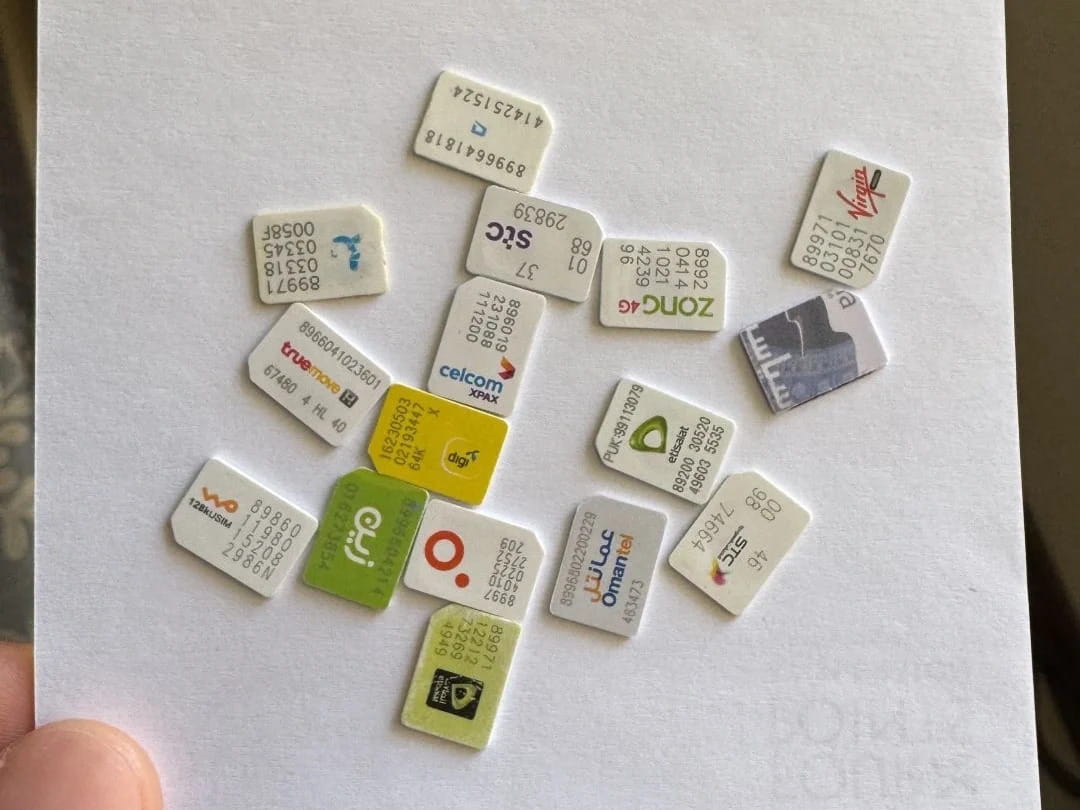
Vietnam’s three main mobile providers are Viettel, Mobifone, and Vinaphone, with Viettel generally recognized for the strongest and widest coverage, including in more remote areas. A physical tourist SIM typically costs around 50,000–200,000 VND for the SIM itself, plus a data top-up — if you buy one locally rather than online in advance, it needs to be registered to your passport, usually handled by the shop or kiosk selling it.
An eSIM is the more convenient option for most travelers — no physical card to install, activated by QR code before you even land, with plans commonly running anywhere from about $4 to $20 USD depending on data allowance and trip length. If your phone supports eSIM, this avoids hunting for a SIM shop entirely.
Wifi: most hotels and many cafés and restaurants offer free wifi, but it’s not something to rely on for constant connectivity throughout the day — an eSIM or local SIM is the more dependable option if you need to be online consistently, for navigation or messaging apps especially.
Frequently asked questions
Should I exchange money before I arrive in Vietnam?
Only a small amount for immediate costs on arrival — rates in Hoi An itself, at licensed banks or gold shops, are generally better than what you’d get at home or at the airport.
Is tipping expected at restaurants in Hoi An?
No — it’s not traditional and isn’t expected at local restaurants or street food stalls, though rounding up the bill is common and appreciated.
Can I pay for everything by card?
No — cards work at hotels, larger restaurants, and established shops, but street food, markets, taxis, and smaller vendors typically require cash.
Is bargaining rude, or expected?
Expected at markets and with street vendors — just keep it friendly, and don’t start negotiating unless you actually intend to buy once you agree on a price.
Should I get a physical SIM or an eSIM?
An eSIM is generally more convenient if your phone supports it — activated before you even land, no shop or passport registration needed. A physical SIM can be cheaper for longer stays but requires buying and registering it in person.
How much cash should I carry with me day to day?
Enough for that day’s spending, generally 1–2 million VND — keeping the rest secured at your hotel is a reasonable practice rather than carrying everything with you.
Recent Posts





Our Associations


Our Awards








